Coldcard Wallet Flaw Cost Users Over $100M in Bitcoin Loss
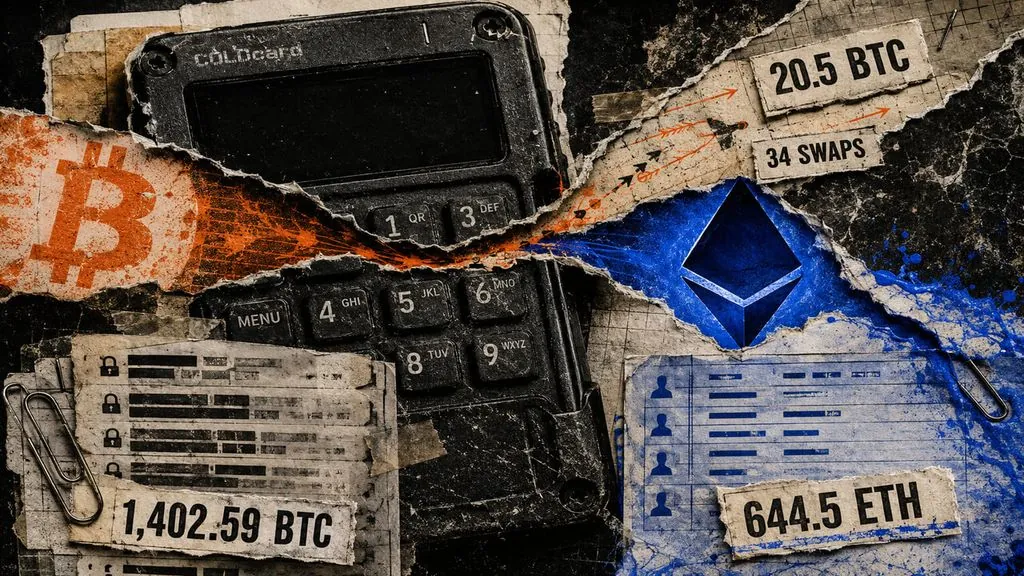
A vulnerability in Coldcard hardware wallets resulted in losses exceeding $100 million for Bitcoin holders due to flawed entropy generation in key creation. The incident has reignited debate over randomness sources in cryptocurrency wallet security.
Written by CoinArticle’s AI Newsroom · from 1 cited source. How we work
The Vulnerability
Coldcard hardware wallets contained a flaw in their entropy generation process that weakened the randomness used to create private keys. The defect allowed attackers to recover funds from affected wallets by exploiting predictable patterns in how the device generated cryptographic material. Users who relied on Coldcard's random number generation for key derivation were left exposed to wallet compromise.
Impact on Users
Bitcoin holders using Coldcard wallets lost more than $100 million due to the flaw. The vulnerability appears to have affected multiple users over an unspecified time period before discovery. Affected parties were unable to retrieve their funds once private keys were compromised through the exploitable entropy weakness.
Broader Implications for Hardware Wallet Security
The incident has revived longstanding arguments within the cryptocurrency community about entropy sources and randomness in key generation. Some advocates have renewed calls for simpler, more transparent methods—including dice rolls—as alternatives to potentially flawed software-based random number generators. The debate underscores a central tension in hardware wallet design: balancing cryptographic rigor with user auditability and trust.
Why It Matters
For Traders
Users with funds in Coldcard wallets should immediately verify wallet integrity and consider moving holdings to verified secure alternatives.
For Investors
Hardware wallet security breaches erode confidence in self-custody solutions and may shift capital toward centralized platforms or competing wallet vendors.
For Builders
Wallet and key-generation protocol teams should audit entropy sources and consider open-sourcing randomness mechanisms to enable external verification.
This article is for information only and is not financial advice. Read the full disclaimer.