Cosmos Labs Urges EVM Chains to Halt After Security Incidents Hit MANTRA, TAC, KiiChain
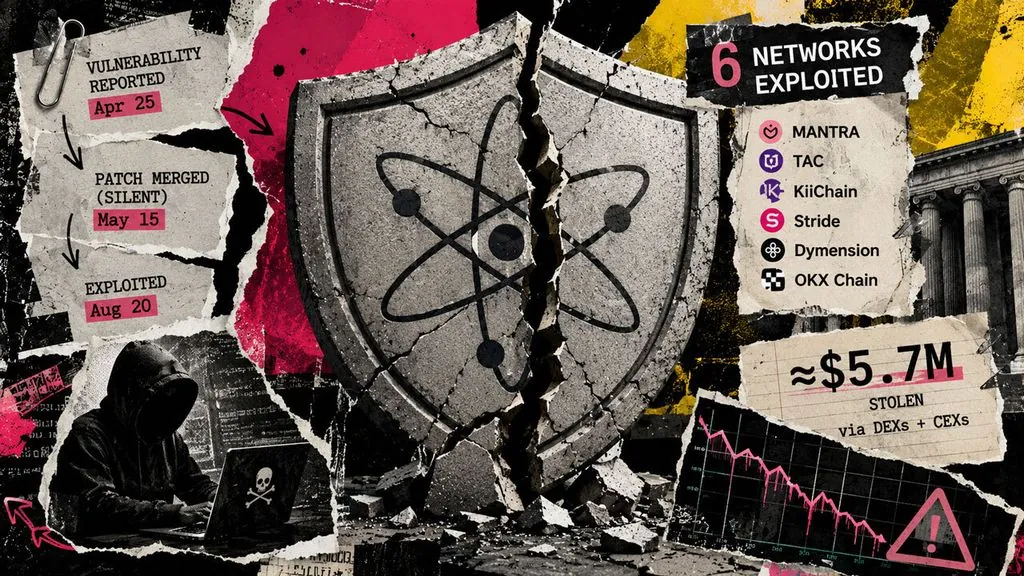
Cosmos Labs issued an urgent recommendation for EVM chains to halt operations following security incidents affecting MANTRA, TAC, and KiiChain. KiiChain stated that delayed warnings allowed attackers to drain funds before the affected networks stopped.
Written by CoinArticle’s AI Newsroom · from 2 cited sources. How we work
The Incident and Halt Order
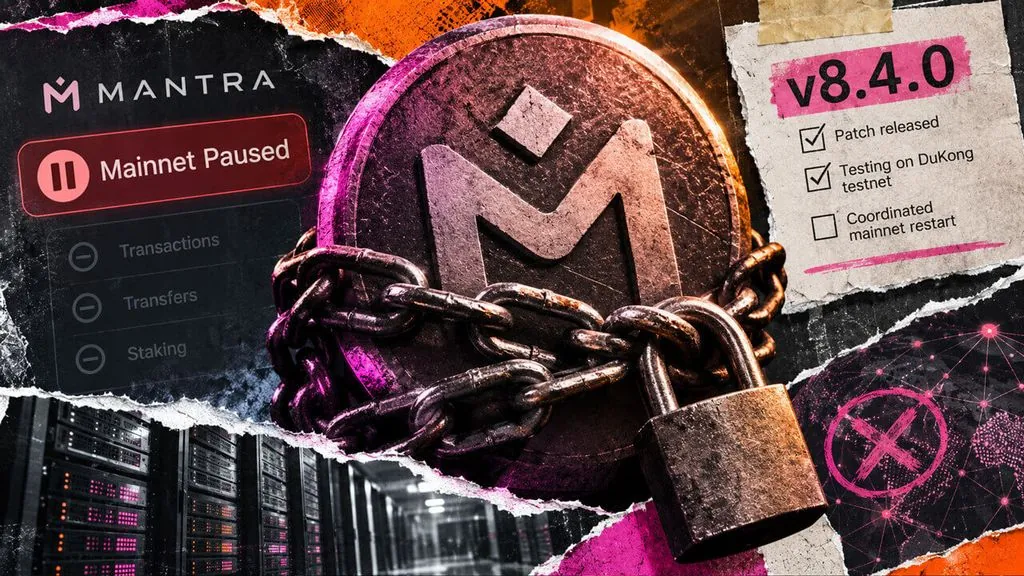
Cosmos Labs urged EVM chains operating on the Cosmos network to halt after security incidents hit three protocols: MANTRA, TAC, and KiiChain. The exact nature of the vulnerabilities has not yet been detailed in a comprehensive report from Cosmos Labs, though the incidents prompted immediate action across affected networks.
Timeline and Fund Losses
According to KiiChain, the delay in issuing security warnings extended the window for attackers to exploit the vulnerabilities. The protocol stated that attackers drained funds before the affected Cosmos EVM networks came to a halt. The timing gap between when Cosmos Labs discovered the incidents and when it communicated the warning to chain operators appears to have materially expanded the scope of losses, though specific figures for total funds affected have not been disclosed.
Pending Details
Cosmos Labs has indicated that a detailed technical report on the incidents remains forthcoming. Until that analysis is published, the full scope of the vulnerability, the number of chains affected beyond the three named, and remediation steps remain unclear.
Why It Matters
For Traders
Liquidity on affected chains may remain suspended pending security patches; positions held on MANTRA, TAC, or KiiChain face near-term execution risk.
For Investors
The incident exposes operational risk in Cosmos's communication protocols between core infrastructure and connected chains, raising questions about ecosystem coordination during crises.
For Builders
EVM chains deployed on Cosmos should audit their own dependencies and communication channels for similar vulnerabilities; delayed warning propagation is a critical failure point.
This article is for information only and is not financial advice. Read the full disclaimer.