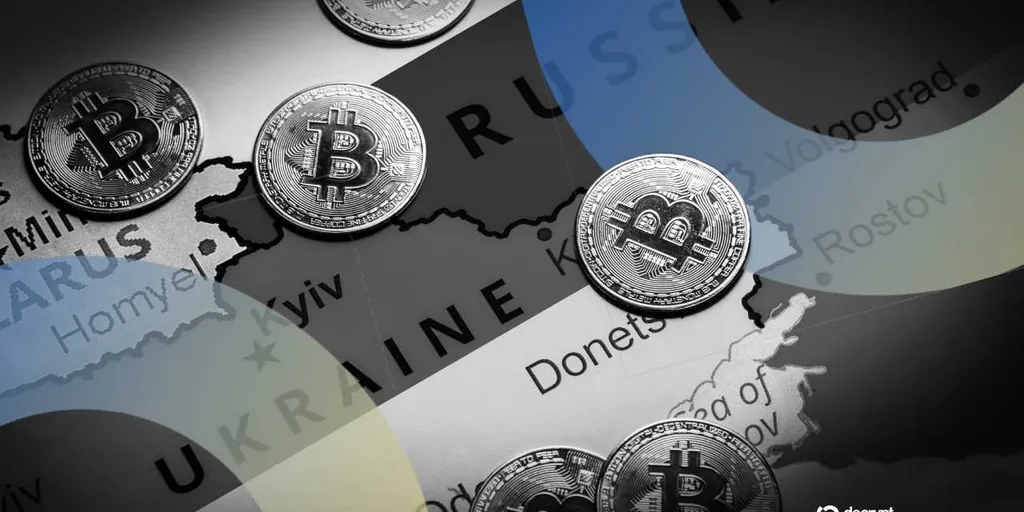
Crypto Market Faces Geopolitical Headwinds as Russia-Ukraine Conflict Escalates
Russia intensified aerial attacks on Kyiv as NATO issued fresh warnings over Baltic defense posture. Geopolitical tensions historically correlate with risk-off sentiment in crypto markets and increased volatility across asset classes.
Written by CoinArticle’s AI Newsroom · from 1 cited source. How we work
Conflict Escalation and Market Context
Russia conducted renewed aerial bombardment of Kyiv as NATO issued updated assessments of regional security threats, according to reporting from Crypto Briefing. The escalation marks a continuation of hostilities that began in February 2022 and remains an ongoing geopolitical risk factor affecting broader financial markets, including cryptocurrency.
Crypto's Historical Sensitivity to Geopolitical Risk
Crypto markets have historically exhibited heightened volatility during periods of geopolitical tension. During major escalations in the Russia-Ukraine conflict, Bitcoin and Ethereum typically experience increased correlation with traditional risk-off trades—equity index futures, Treasury yields, and commodity prices. The relationship reflects crypto's evolving role as a risk asset in institutional and retail portfolios rather than a pure safe haven.
Monitoring for Market Impact
While no direct crypto-related announcements or policy changes accompanied this latest escalation, traders and investors monitor geopolitical headlines as leading indicators of broader liquidity conditions and risk appetite. The conflict also remains a structural factor in energy prices and global supply chains, both of which influence macro conditions that indirectly affect crypto trading volumes and sentiment.
Why It Matters
For Traders
Geopolitical escalation typically triggers risk-off repositioning; watch BTC and ETH correlation to equity futures and Treasury yields over the next 24-48 hours for early signs of portfolio rebalancing.
For Investors
Persistent Ukraine conflict remains a structural macro backdrop that influences capital flows and risk sentiment; changes in escalation levels can signal broader shifts in market risk appetite.
For Builders
Cross-border payment and remittance demand from conflict-affected regions continues to demonstrate real-world use cases for stablecoins and decentralized infrastructure, though volumes remain modest relative to total market activity.
This article is for information only and is not financial advice. Read the full disclaimer.