What Is a DCM? The CFTC License Behind Prediction Markets
A Designated Contract Market, or DCM, is a CFTC exchange license that allows platforms to list and trade derivatives contracts, including prediction market instruments. The license requires compliance with 23 core principles and sits within a three-tier registration framework that separates swap dealers, venues, and clearing organizations.
Written by CoinArticle’s AI Newsroom · from 1 cited source. How we work
The DCM License Structure
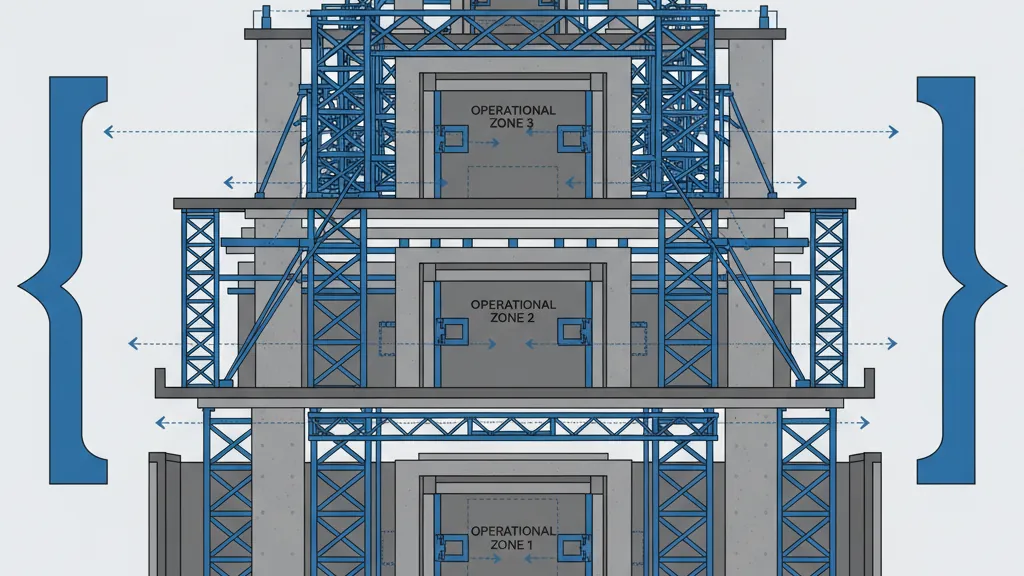
A Designated Contract Market is a CFTC exchange license that authorizes a platform to list and trade derivative contracts on behalf of retail and institutional participants. The CFTC designates these venues as contract markets, meaning they must register, disclose their rulebooks to regulators, and operate under statutory obligations. The license sits within a three-tier registration stack: swap dealers (who make markets), designated contract markets or swap execution facilities (trading venues), and derivatives clearing organizations (settlement and custody).
The 23 Core Principles
DCM licensees must comply with 23 core principles embedded in the Dodd-Frank Act and CFTC regulations. These principles govern market surveillance, customer protection, recordkeeping, conflict-of-interest disclosure, position limit enforcement, and trading halt procedures. Platforms must demonstrate real-time monitoring for manipulation, maintain systems to handle market stress, and establish segregated customer accounts. Non-compliance with any core principle exposes the venue to enforcement action and potential license revocation.
Why Firms Pursue DCM Designation
Prediction market platforms and derivatives exchanges seek DCM licenses to operate legally in the United States while offering leveraged or synthetic contracts. The license provides legal certainty and enables access to regulated clearing and custody infrastructure. Firms without DCM status offering similar products typically route U.S. customers offshore or operate in legal grey areas. DCM designation also signals operational credibility to institutional participants and banking partners who require regulatory compliance as a prerequisite for settlement and financing relationships.
Why It Matters
For Traders
Understanding DCM compliance requirements helps assess whether a prediction market or derivatives venue operates legally in the U.S. or faces regulatory exposure.
For Investors
DCM licensing is a structural gating factor for U.S. prediction market adoption; platforms with DCM status can scale domestically while unregistered venues face closure risk.
For Builders
Securing DCM designation requires embedding CFTC's 23 core principles into platform architecture before launch, affecting surveillance, custody, and risk-management design choices.
This article is for information only and is not financial advice. Read the full disclaimer.