DOJ Seizes Huione Cloud Infrastructure Used in Crypto Laundering Scheme
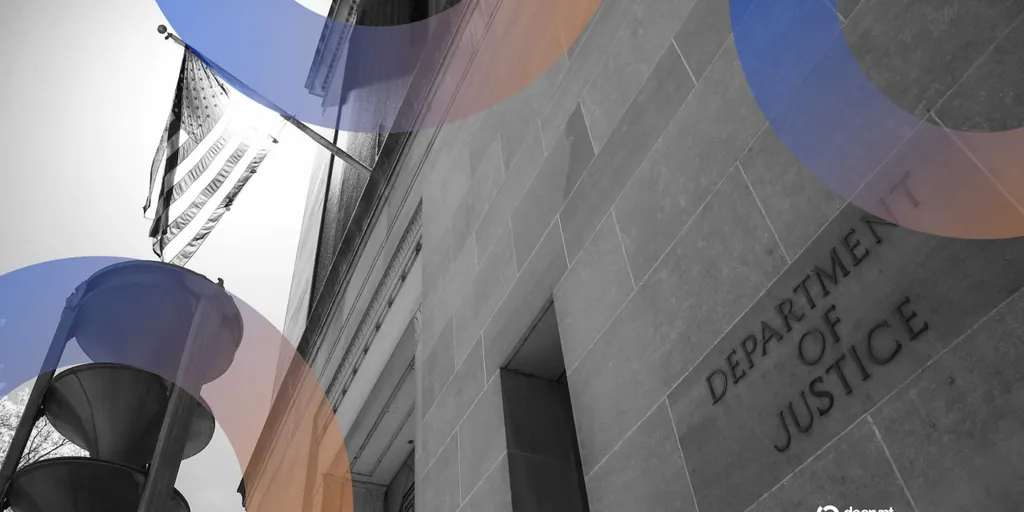
The U.S. Department of Justice seized cloud infrastructure operated by Huione Guarantee, a Telegram-based marketplace allegedly used to launder billions in proceeds from Southeast Asian scams. The seizure targeted the backend systems that powered the platform's money-laundering operations.
Written by CoinArticle’s AI Newsroom · from 2 cited sources. How we work
The Seizure
The U.S. Justice Department seized cloud infrastructure linked to Huione Guarantee, a Telegram marketplace suspected of facilitating the laundering of billions of dollars in cryptocurrency proceeds from scams originating in Southeast Asia. The seizure targeted the backend systems that underpinned the platform's operations, cutting off access to the infrastructure that supported the service.
Scope and Scale
Huione Guarantee operated as a cryptocurrency money-laundering hub, accepting illicit proceeds and converting them through the blockchain. Prosecutors tied the platform to scam operations across the region, with the total volume of proceeds routed through Huione-linked accounts reaching into the billions of dollars. The seizure represents part of a broader DOJ crackdown on cryptocurrency laundering networks that serve transnational crime syndicates.
Enforcement Context
The action underscores the Justice Department's focus on infrastructure providers that knowingly enable money laundering. By targeting the cloud backbone rather than individual user accounts, federal authorities aimed to disrupt the technical systems that made the marketplace operational at scale. Similar enforcement actions against crypto money-laundering platforms have accelerated over the past two years as criminal use of digital assets has grown.
Why It Matters
For Traders
Seizures of major laundering infrastructure can reduce illicit buy pressure on privacy coins and complicate criminal flow routes, potentially narrowing trading liquidity in affected pairs.
For Investors
Enforcement against money-laundering infrastructure signals sustained regulatory focus on crypto-facilitated crime, raising operational risk for services with weak know-your-customer controls.
For Builders
Platforms offering financial services must document compliance controls; infrastructure providers can face liability if they knowingly support illicit activity, shifting due diligence requirements upstream.
This article is for information only and is not financial advice. Read the full disclaimer.