ECB and BOE Signal Rate Hikes as Oil Prices Rise, Inflation Pressures Mount
The European Central Bank and Bank of England signaled willingness to raise interest rates in response to climbing oil prices and persistent inflation. The hawkish stance from major central banks could reshape market expectations around economic growth and crypto risk appetite.
Written by CoinArticle’s AI Newsroom · from 1 cited source. How we work
Central Banks Turn Hawkish
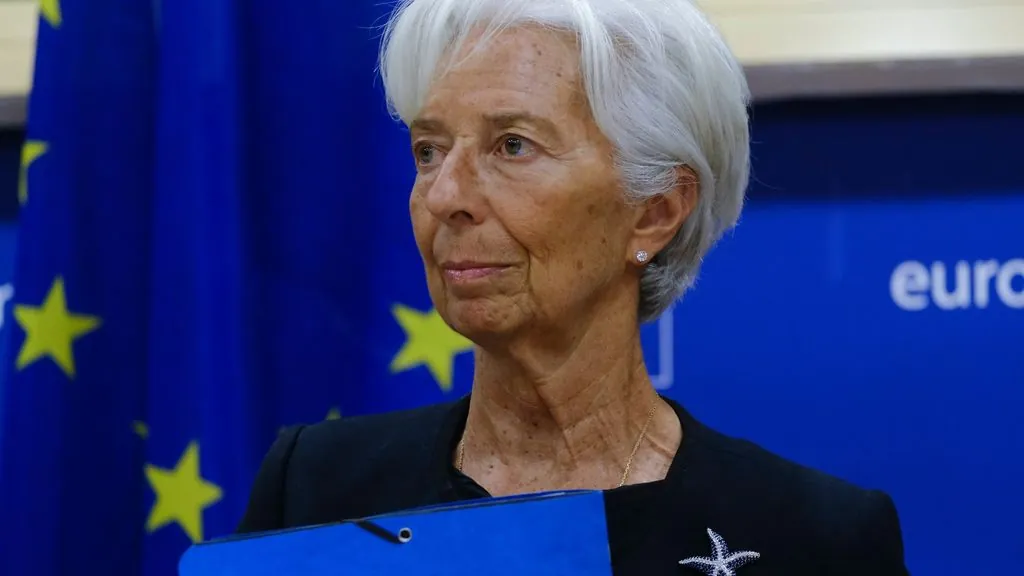
The European Central Bank and Bank of England indicated Tuesday they are prepared to raise interest rates to combat rising inflation driven partly by elevated oil prices. Both institutions signaled a shift away from the accommodative stance that has prevailed through much of 2023, with officials citing energy costs as a key factor in their reassessment.
Market Implications
A sustained period of higher rates typically reduces appetite for risk assets, including cryptocurrencies, as capital becomes more expensive and traditional fixed-income investments become more attractive. Traders and investors recalibrate their macro expectations based on central bank communication, and hawkish signals from the ECB and BOE may dampen near-term demand for volatile assets. Oil prices remain elevated, adding to the inflation burden these institutions are tasked with managing.
Broader Context
The two-bank signal reflects broader global concerns about inflation persistence despite tightening cycles that began in 2022. Rising energy costs create a policy dilemma for central banks: aggressive rate hikes risk slowing growth, while inaction risks allowing inflation expectations to unanchor. Market participants are now reassessing the duration and terminal level of rates across major developed economies.
Why It Matters
For Traders
Hawkish central bank signals typically reduce short-term crypto demand as risk appetite cools; monitor bitcoin and ethereum correlation to Treasury yields over the next 48 hours.
For Investors
Rising rate expectations in major economies increase the opportunity cost of holding non-yielding assets like crypto; longer-duration portfolios may see outflows toward fixed income.
For Builders
Macro headwinds reduce venture capital availability and user growth; protocols with strong yield mechanisms or real-world asset integrations may outperform.
This article is for information only and is not financial advice. Read the full disclaimer.