Russia-Ukraine Conflict in Sumy Region Raises Questions About Market Stability
Fighting in Ukraine's Sumy region continues as ceasefire negotiations stall, renewing concern about geopolitical risk to energy markets and broader financial stability. The dispute underscores persistent obstacles to a negotiated settlement.
Written by CoinArticle’s AI Newsroom · from 1 cited source. How we work
Conflict Intensifies in Sumy
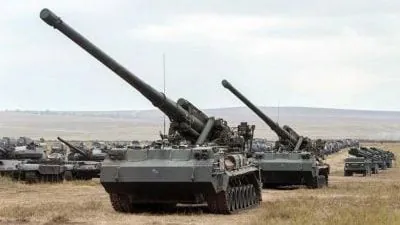
Russia and Ukraine are locked in a territorial dispute over control of the Sumy region, with neither side ceding ground as peace talks remain deadlocked. The ongoing military engagement highlights the distance between ceasefire proposals and a sustainable resolution.
Market and Regional Implications
Prolonged conflict in eastern Ukraine continues to create uncertainty around energy supply chains and geopolitical stability, factors that influence broader market risk sentiment. Commodity markets, particularly oil and natural gas, remain sensitive to escalation in the region.
Why It Matters
For Traders
Ongoing geopolitical uncertainty in Ukraine creates volatility in oil and gas futures, which indirectly pressures risk-on crypto valuations through macro sentiment shifts.
For Investors
Sustained conflict delays energy market normalization and prolongs macro uncertainty, a structural headwind for crypto risk appetite over the next quarter.
For Builders
Persistent geopolitical instability in Eastern Europe may accelerate adoption of decentralized stablecoin infrastructure in affected regions as hedge against currency depreciation.
This article is for information only and is not financial advice. Read the full disclaimer.