Iran Editor's Call to Close Bab al-Mandab Strait Raises Oil Trade Risk
An Iranian editor called for closure of the Bab al-Mandab Strait, a critical chokepoint for global oil shipments, amid escalating US-Iran tensions. The proposal underscores geopolitical risks that could disrupt energy markets and affect crypto-correlated macro assets.
Written by CoinArticle’s AI Newsroom · from 1 cited source. How we work
Strait Closure Proposal
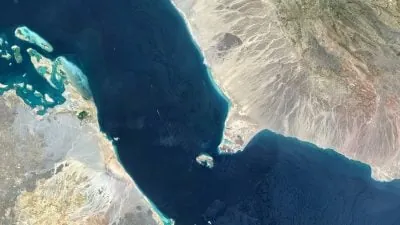
An Iranian editor has called for the closure of the Bab al-Mandab Strait, one of the world's most strategically important maritime passages, in response to mounting tensions with the United States. The strait, which lies between Yemen and Djibouti, handles roughly 12% of global seaborne trade and is a critical artery for oil exports from the Middle East to Europe and Asia.
Oil Market and Macro Implications
Any actual disruption to shipping through Bab al-Mandab would raise crude prices and ripple across energy-dependent markets. Oil price spikes have historically correlated with equity drawdowns and risk-off sentiment in crypto markets. While the call remains rhetorical at present, it reflects the underlying fragility of geopolitical relations in a region where military incidents have repeatedly roiled commodity prices over the past two years.
Context and Precedent
The Strait has faced shipping delays and security concerns during previous periods of Middle East instability. However, no formal blockade is currently in place, and the call appears to be political posturing rather than an imminent policy shift. Monitoring official Iranian government statements and Yemeni Houthi movement activity—which has targeted shipping in the region—remains relevant for traders tracking correlation between geopolitical risk and asset volatility.
Why It Matters
For Traders
Oil price movements tied to Strait closure rhetoric can drive equity and crypto volatility; monitor crude futures for risk-off signals over the next 48-72 hours.
For Investors
Geopolitical energy shocks historically trigger flight-to-safety rotations out of risk assets, including crypto; broader macro hedges become relevant if tensions escalate beyond rhetoric.
For Builders
Macro volatility tied to oil prices may increase stablecoin redemption pressure and cross-chain bridge utilization as traders hedge positions across venues.
This article is for information only and is not financial advice. Read the full disclaimer.