Esports Sponsorship Model Favors Traditional Backers Over Crypto Firms
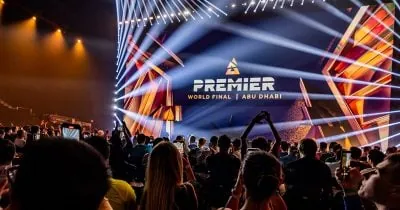
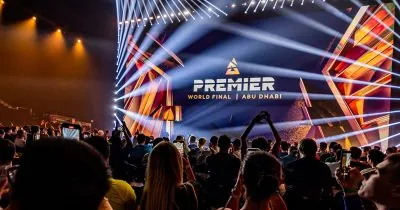
Esports organizations continue to rely predominantly on conventional sponsorships rather than cryptocurrency investment, according to analysis of major tournaments like BLAST Premier. The divide reflects esports' focus on stable revenue streams over exposure to volatile digital assets.
Written by CoinArticle’s AI Newsroom · from 1 cited source. How we work
The Sponsorship Landscape
Esports tournaments and teams have built their financial models around traditional corporate partnerships rather than cryptocurrency ventures. The BLAST Premier, one of the largest competitive gaming franchises, exemplifies this trend with its sponsor roster dominated by conventional consumer brands, energy drink makers, and tech companies offering predictable funding.
Why Esports Remains Cautious
The disconnect between esports and crypto persists despite both industries' overlapping youth demographics and early-adopter audiences. Esports organizations prioritize financial stability and brand reputation over the higher-risk, higher-volatility profile that crypto sponsors typically bring. Tournament operators have demonstrated a preference for partners offering long-term contracts and reliable revenue over speculative digital asset plays.
The Broader Pattern
While some crypto firms have pursued esports sponsorships in recent years, the overall investment from the sector remains marginal compared to traditional corporate sponsors. The gap suggests that esports teams and leagues view crypto partnerships as supplementary rather than foundational to their business models, reflecting a structural divergence between the two industries despite cultural overlap.
Why It Matters
For Traders
Limited mainstream esports adoption of crypto signals slow institutional progress in gaming-sector tokenization and NFT integration.
For Investors
Esports' preference for traditional sponsors reflects cautious institutional appetite for crypto marketing; regulatory or reputational risk remains a barrier.
For Builders
Gaming and esports protocols seeking mainstream adoption face structural headwinds; on-chain gaming infrastructure must prove value independent of esports team sponsorships.
This article is for information only and is not financial advice. Read the full disclaimer.