EU Weighs Supply Chain Rules to Reduce China Chip Dependency
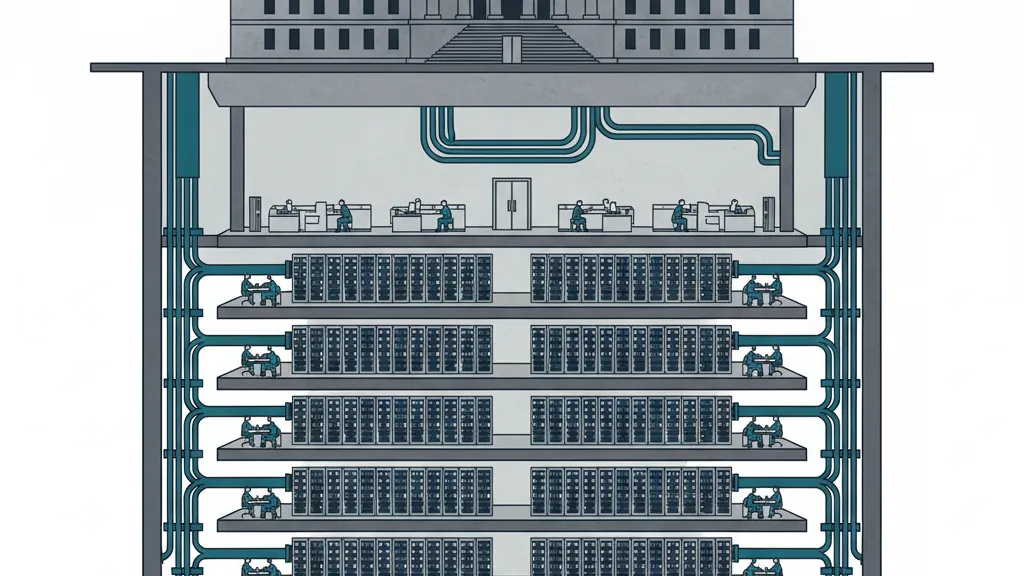
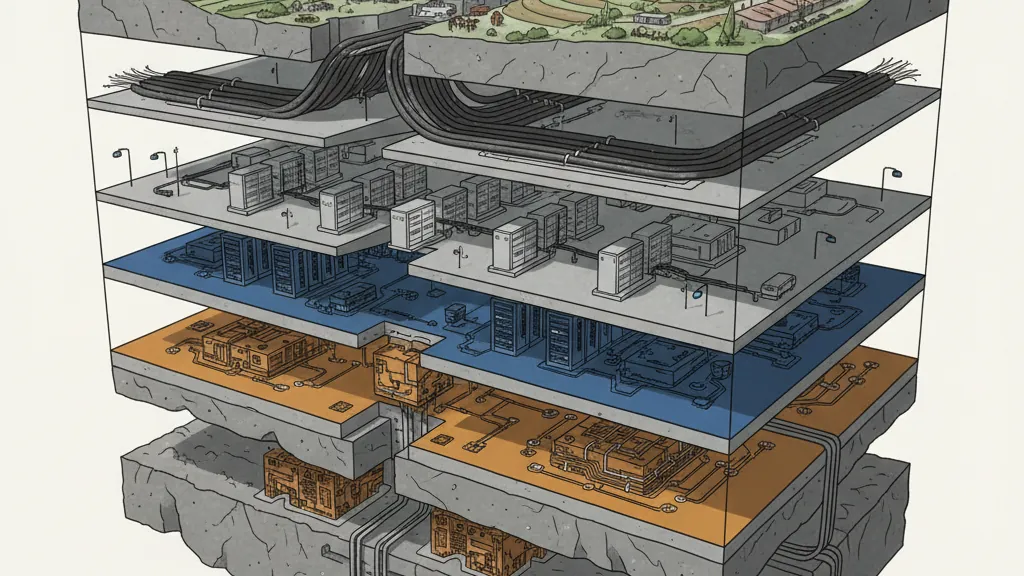
The European Union is considering regulations to diversify semiconductor and technology supply chains away from Chinese suppliers. Industry analysts warn the rules could raise costs and extend project timelines, potentially affecting both strategic autonomy goals and climate commitments.
Written by CoinArticle’s AI Newsroom · from 1 cited source. How we work
EU Considers Sourcing Restrictions
The European Union is evaluating new rules designed to reduce dependence on Chinese suppliers across critical technology supply chains, particularly semiconductors. The proposed regulations would mandate or incentivize sourcing from non-Chinese vendors, part of a broader effort to strengthen EU strategic autonomy in critical technologies.
Trade-offs on Cost and Timeline
Industry stakeholders warn that mandated supply chain diversification could increase procurement costs and extend project delivery timelines. Alternative suppliers outside China often command price premiums and may have longer lead times, potentially straining budgets for companies building infrastructure across the EU. The regulations could also conflict with the bloc's climate goals, as some diversified sourcing options may involve higher emissions or less efficient logistics.
Broader Context
The move reflects growing EU focus on reducing reliance on single-source suppliers, a concern amplified by recent semiconductor shortages and geopolitical tensions. Crypto and blockchain infrastructure operators sourcing hardware or cloud services may face indirect impacts if the rules tighten procurement requirements across the supply chains they depend on.
Why It Matters
For Traders
Broader EU supply-chain regulation could eventually increase hosting and infrastructure costs for crypto exchanges and protocols operating in the bloc.
For Investors
EU industrial policy favoring supply-chain diversification signals long-term friction with China-centric manufacturing, which may reshape where blockchain infrastructure capital flows.
For Builders
Projects relying on commodity compute or chip supplies for node hardware or data centers should monitor final EU rules to anticipate cost pressures and sourcing constraints.
This article is for information only and is not financial advice. Read the full disclaimer.