Fed Independence Concerns Rise Over Trump-Warsh Communications
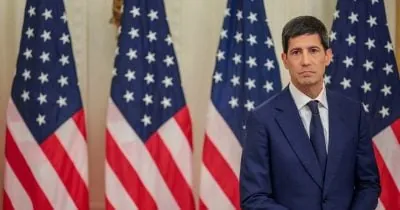
Federal Reserve Chair Kevin Warsh has held frequent talks with Donald Trump, raising questions among policymakers about central bank independence. The interactions risk politicizing monetary policy decisions that traditionally operate outside presidential influence.
Written by CoinArticle’s AI Newsroom · from 1 cited source. How we work
The Independence Question
Frequent communications between Federal Reserve Chair Kevin Warsh and President Donald Trump have prompted concerns about the erosion of central bank independence. The Federal Reserve is statutorily designed to operate free from direct political pressure, allowing monetary policy decisions to be made on economic merit rather than electoral or political cycles.
Why This Matters for Policy
Direct presidential engagement with the Fed chair can create perception—and in some cases reality—that monetary policy may be influenced by political considerations rather than inflation targets, employment mandates, or financial stability. Historical precedent suggests that central banks function most effectively when insulated from immediate political pressure, allowing them to raise rates, tighten credit, or pursue other unpopular measures when economic conditions warrant them.
The concern extends beyond optics. If market participants or international observers believe the Fed is subordinate to executive direction, confidence in U.S. monetary policy credibility can weaken, potentially affecting Treasury yields, currency stability, and inflation expectations.
Why It Matters
For Traders
Perception of Fed politicization could increase volatility in rates and dollar exposure; monitor Fed speakers and policy guidance closely for any deviations from data-dependent language.
For Investors
Weakened Fed independence undermines the institutional credibility that anchors long-term inflation expectations and affects real returns across all asset classes.
For Builders
Stablecoin and on-chain finance protocols relying on U.S. monetary policy predictability face increased uncertainty in their macroeconomic modeling and reserve strategies.
This article is for information only and is not financial advice. Read the full disclaimer.