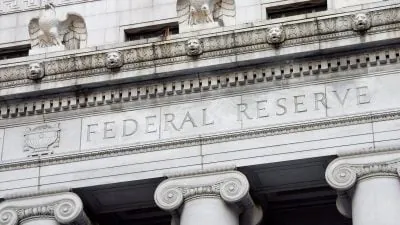
Fed Proposes Reserve and Capital Rules for Stablecoin Issuers
The Federal Reserve released two proposed rulemaking documents under the GENIUS Act framework, establishing reserve requirements for payment stablecoins and approval procedures for banks seeking to issue them through subsidiaries. The rules represent the first detailed regulatory framework the Fed has set for supervised stablecoin issuers.
Written by CoinArticle’s AI Newsroom · from 2 cited sources. How we work
Proposed Reserve and Capital Requirements
The Federal Reserve released two separate proposed rules implementing the GENIUS Act framework, addressing the assets required to back payment stablecoins and the capital standards for supervised issuers. The rules specify which assets qualify as reserves—a foundational question regulators have left unanswered since Congress passed the GENIUS Act. By defining permissible backing assets, the Fed establishes a floor for what constitutes a fully collateralized stablecoin under federal supervision.
Approval Process for Bank-Affiliated Issuers
The second proposed rule outlines the application and approval process for banks seeking to issue stablecoins through subsidiaries. The framework creates a structured pathway for depository institutions and their affiliates to enter stablecoin issuance, moving away from the current environment where most stablecoin issuers operate outside the banking system or in regulatory gray zones. The Fed's proposal includes capital and liquidity requirements tied to the reserve backing ratio.
What Comes Next
The proposals are open for public comment before finalization. Industry participants, including both stablecoin issuers and banking interests, are expected to submit feedback during the comment period. The timing of final rules remains unclear, though the Fed signaled these represent an early implementation step under the GENIUS Act's authority to regulate stablecoins issued by insured depository institutions and their subsidiaries.
Why It Matters
For Traders
Clear reserve rules may increase trust in bank-issued stablecoins as compliant alternatives to existing issuers, potentially shifting liquidity flows over 6-12 months.
For Investors
A regulatory framework for bank-backed stablecoins reduces tail risk for the sector and signals longer-term Fed acceptance of stablecoins as payment infrastructure.
For Builders
Developers building on stablecoin rails should track whether the Fed's reserve definitions favor certain collateral types, which could reshape which stablecoins become the de facto standard for on-chain finance.
This article is for information only and is not financial advice. Read the full disclaimer.