Fusaka Upgrade Sparks Surge in Address Poisoning on Ethereum Network
The Fusaka upgrade on Ethereum has led to lower gas fees and a rise in address poisoning attacks. Stakeholders must stay vigilant as scams increase with the lowered transaction costs.
Written by CoinArticle’s AI Newsroom · from 1 cited source. How we work
Fusaka Upgrade Fuels Record Address Poisoning on Ethereum
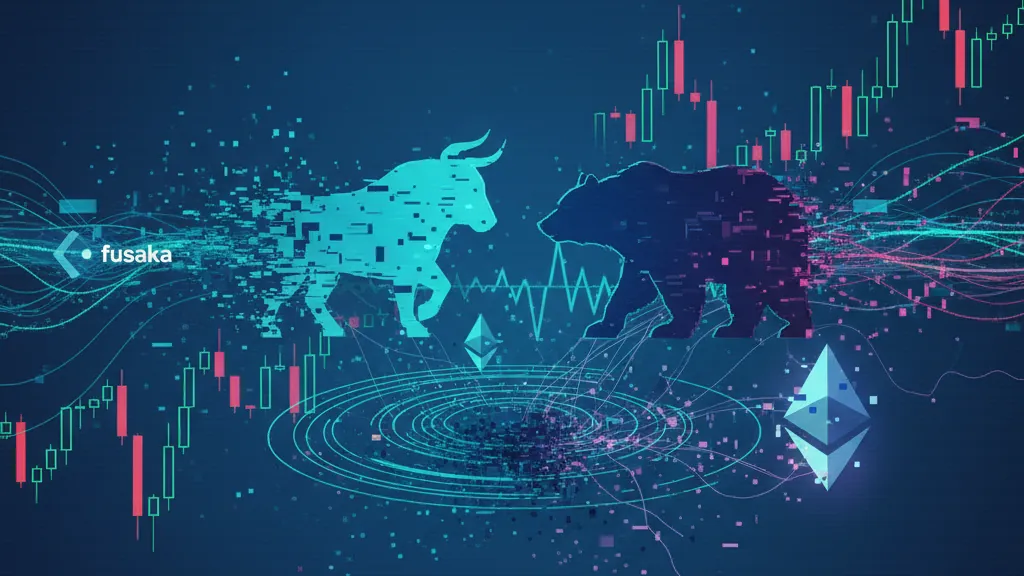
The recent Fusaka upgrade on the Ethereum blockchain has sparked a notable surge in address poisoning activities across the network. This upgrade has led to reduced gas fees, enabling a rise in transactional activities. However, the lower costs associated with gas have inadvertently provided an affordable platform for scammers, resulting in an alarming increase in daily wallet attacks.
What is Address Poisoning?
Address poisoning is a tactic used by malicious actors to exploit the way wallets interact with the Ethereum network. During these attacks, scammers send small amounts of cryptocurrency to a target wallet with the intention of replacing the valid addresses stored in that wallet with their own. As a result, unsuspecting users who interact with poisoned addresses may inadvertently send their assets to the scammers’ wallets.
Why It Matters
For Traders
For traders, the influx of address poisoning schemes presents a new layer of risk. With the lowered gas fees that come with the Fusaka upgrade, the barriers to entry for committing such scams have decreased significantly. Traders must exercise increased caution and ensure they verify wallet addresses meticulously before proceeding with any transactions. As transaction costs drop, the potential for fraudulent activities rises; traders should stay informed about these trends to protect their investments.
For Investors
Investors in Ethereum-based projects should be aware of the potential long-term ramifications of the record address poisoning incidents. A growing prevalence of scams may undermine user confidence in the Ethereum network and its applications. Monitoring the situation is essential for investors who want to gauge the health and security of their assets. Increased scams could lead to a negative perception of token projects relying on Ethereum, ultimately affecting investment strategies and outcomes.
For Builders
For developers and builders within the Ethereum ecosystem, the Fusaka upgrade offers both opportunities and challenges. While the reduction in gas fees can facilitate innovative projects and easier access for users, it is also crucial to implement security measures that address the vulnerabilities introduced by lower costs. Builders should prioritize user education around the risks of address poisoning and consider developing tools to help users verify transactions and wallet addresses. Enhancing security protocols will be vital to fostering a safer environment for all Ethereum users.
As the Ethereum community navigates the impacts of the Fusaka upgrade, stakeholders at all levels—traders, investors, and builders—must remain vigilant against the rising threat of address poisoning schemes. Balancing innovation with security will be imperative to maintaining the integrity of the Ethereum network as it continues to grow and evolve.
This article is for information only and is not financial advice. Read the full disclaimer.