Hashdex Crypto ETF Splits Staking Yields 60-40 With Investors After Fee Threshold
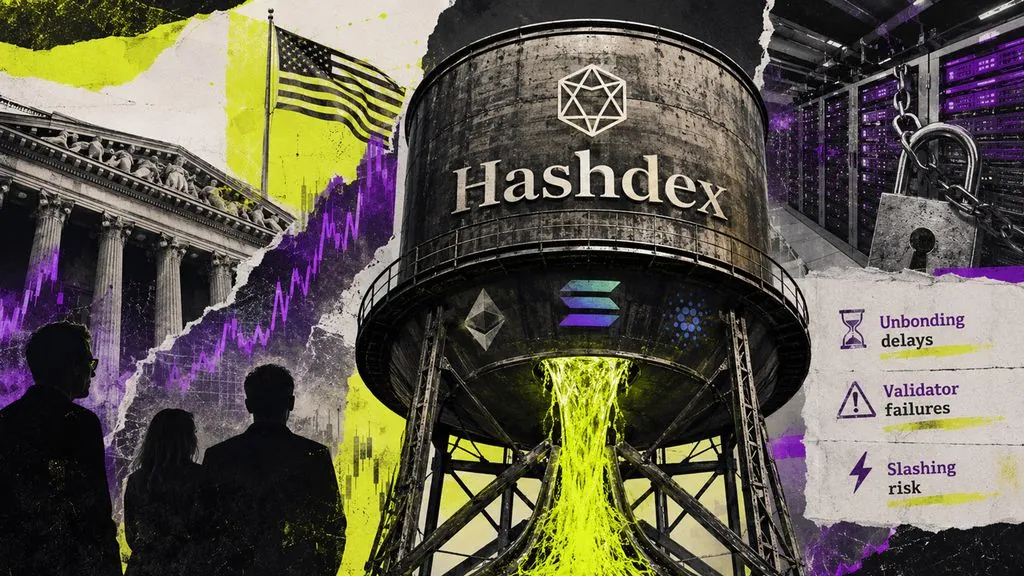
Hashdex's new crypto ETF retains 100% of initial staking yields to cover provider fees, then splits excess net staking income 40% to Hashdex and 60% to the trust. The fee structure prioritizes recovery of operational costs before revenue sharing begins.
Written by CoinArticle’s AI Newsroom · from 1 cited source. How we work
Fee Recovery Model
Hashdex's newly launched crypto ETF collects all initial staking yields to cover annual provider fees before splitting returns with investors. Once the provider fee threshold is met, excess net staking income is divided 40% to Hashdex and 60% to the ETF trust, according to the fund prospectus.
Revenue Sharing Structure
The two-tier approach means investor returns depend on the total staking yield generated by the underlying assets. In periods of high staking income, the 60% investor share may substantially exceed the initial fee recovery amount. In lower-yield periods, investors may receive minimal direct distributions if staking returns do not exceed the annual fee obligation.
Competitive Context
The arrangement is more transparent than some competitor staking ETFs but requires investors to model expected staking yields against Hashdex's fee structure to estimate net returns. Comparable products from other issuers use different fee schedules, making direct yield comparison necessary before purchase.
Why It Matters
For Traders
Staking yield distribution is opaque until annual fees are recovered; short-term ETF holders may see delayed or reduced distributions.
For Investors
The fee structure prioritizes Hashdex cost recovery over investor returns, reducing effective yield in early periods and warranting comparison against alternatives.
For Builders
ETF wrappers around staking protocols now compete on fee transparency; protocols offering staking should understand how custodians structure yield splits.
This article is for information only and is not financial advice. Read the full disclaimer.