India Restricts Silver Imports to Support Rupee and Cut Deficit
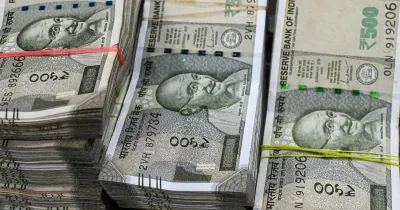
India has imposed restrictions on silver imports as part of efforts to support the rupee and reduce its import bill. The move is expected to increase smuggling risk and compress margins for domestic jewelers while affecting global precious metals markets.
Written by CoinArticle’s AI Newsroom · from 1 cited source. How we work
Import Restrictions and Policy Rationale
India has restricted silver imports to shore up the rupee and lower its current account deficit, according to government policy announcements. The measure is designed to reduce outflows of foreign currency tied to precious metals purchases, a significant component of India's import spending.
Market and Industry Implications
Domestic jewelers face margin compression as import quotas tighten and input costs rise. Trade analysts warn the restrictions are likely to push silver trade into informal channels; India has a history of high-volume bullion smuggling, and artificial scarcity often redirects demand toward black markets rather than eliminating it.
Ripple Effects on Global Markets
India is one of the world's largest silver consumers, particularly for jewelry and industrial uses. Reduced official imports may dampen global spot prices in the short term but could create supply imbalances if domestic demand continues to be met through smuggled or diverted material. Market participants are monitoring whether the policy triggers similar restrictions in other precious metals or commodities.
Why It Matters
For Traders
Silver spot price volatility may increase if official Indian demand shifts to OTC or smuggled channels, creating temporary supply dislocations.
For Investors
Precious metals allocations tied to India demand or emerging-market currency baskets face new policy risk; policy reversals in one commodity often signal broader capital controls.
For Builders
Blockchain-based commodity settlement and identity verification systems may gain relevance if traditional import channels face friction.
This article is for information only and is not financial advice. Read the full disclaimer.