Iran's Central Bank Rejects US Claims on Cryptocurrency Sanctions
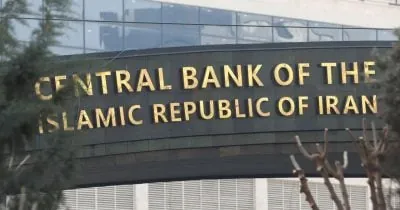
Iran's central bank chief disputed US allegations linking the Iranian financial system to cryptocurrency activity subject to American sanctions. The statement underscores tension over stablecoin issuers' role in enforcing global financial compliance.
Written by CoinArticle’s AI Newsroom · from 1 cited source. How we work
Denial and Diplomatic Friction
Iran's central bank chief rejected accusations by U.S. authorities that the Iranian financial system was leveraging cryptocurrencies to circumvent American sanctions. The remarks came amid ongoing scrutiny from Washington over potential sanctions evasion through digital assets and stablecoin networks.
Stablecoin Compliance Under Pressure
The dispute highlights the increasing burden on stablecoin issuers to enforce geopolitical compliance. Major stablecoin operators, including USDC and USDT issuers, face mounting pressure from regulators to block transactions linked to sanctioned jurisdictions and entities. The practical effect has been to extend U.S. financial controls into decentralized and semi-decentralized payment rails where traditional banking infrastructure does not reach.
Broader Sanctions and Digital Assets
The U.S. has expanded sanctions targeting Iranian access to financial services in recent years. Cryptocurrencies and stablecoins present both a potential workaround for sanctioned entities and a vector for regulatory enforcement, depending on the issuer's willingness to comply with Office of Foreign Assets Control (OFAC) guidelines. Iran has publicly explored cryptocurrency adoption for domestic payments and international settlement, though operational barriers remain steep.
Why It Matters
For Traders
Stablecoin issuers' compliance posture affects liquidity and routing for Iran-linked flows; watch for OFAC guidance updates that may widen or narrow permissible transaction pathways.
For Investors
Regulatory pressure on stablecoin operators to enforce sanctions is structural, not cyclical; issuers' compliance costs and operational complexity in high-risk jurisdictions will remain elevated.
For Builders
Non-custodial protocols and bridge infrastructure may face pressure to implement geofencing or transaction filtering if they become known vectors for sanctions evasion.
This article is for information only and is not financial advice. Read the full disclaimer.