Iran Parliament Speaker Attacks Crypto Trading as 'Digital Oil' Amid US Tensions
Iran's parliament speaker Mohammad Bagher Ghalibaf has publicly criticized cryptocurrency trading as 'vibe-trading digital oil' during escalating US-Iran tensions around the Strait of Hormuz. The incident marks a significant moment where digital assets have entered active wartime political discourse and become tools in geopolitical narratives.
Written by CoinArticle’s AI Newsroom · from 1 cited source. How we work
Crypto Trading Joins Wartime Propaganda as Iran Targets 'Digital Oil' During US Tensions
Iran's Parliament Speaker Criticizes Speculative 'Vibe Trading' During Geopolitical Crisis
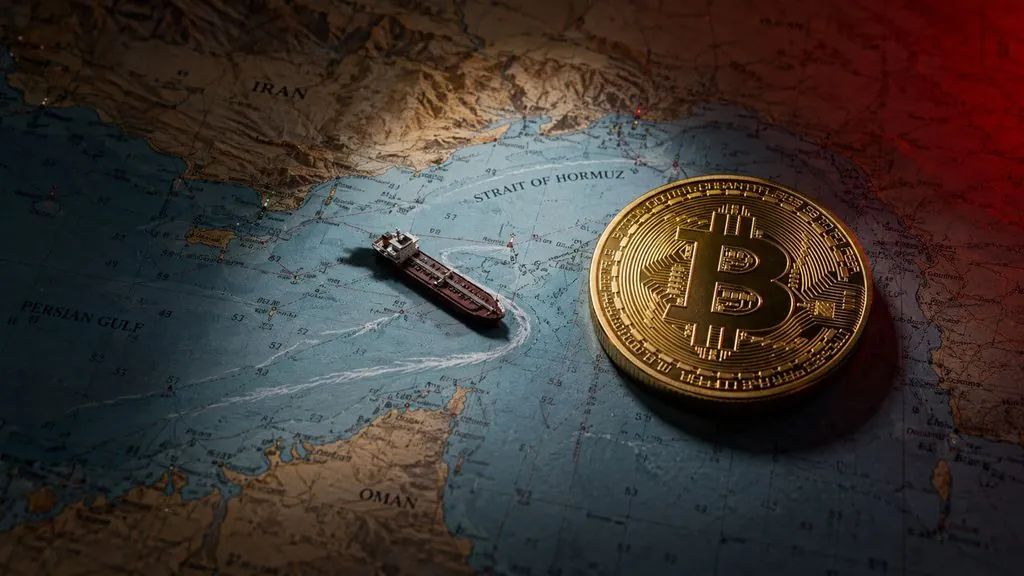
Iran's parliament speaker Mohammad Bagher Ghalibaf has publicly criticized what he termed "vibe-trading digital oil," marking a watershed moment where cryptocurrency has entered mainstream geopolitical discourse. His comments emerged during escalating tensions around the Strait of Hormuz—one of the world's most critical energy chokepoints—where US-Iran relations have driven volatile market movements and speculative trading activity.
Ghalibaf's remarks reference speculative cryptocurrency trading occurring amid ceasefire negotiations and geopolitical brinkmanship. The Iranian official also targeted US Treasuries as part of a broader critique of Western financial instruments, positioning digital assets alongside traditional markets as tools of economic leverage and capital control during international conflicts.
Cryptocurrency Becomes Central to Wartime Political Messaging
This incident represents a critical turning point: cryptocurrency has transcended its role as emerging financial technology to become part of active wartime propaganda and state-level political messaging. Rather than remaining isolated from geopolitical conflicts, digital assets are now explicitly referenced by government officials in real-time crisis situations.
The characterization of crypto as "digital oil" reflects deeper state anxieties about energy markets, currency competition, and financial sovereignty during periods of international tension. Both Iran and Western markets have experienced sharp volatility as traders positioned for various ceasefire scenarios, creating the speculative environment Ghalibaf targeted.
This convergence signals that crypto markets are no longer purely financial ecosystems—they've become active arenas where geopolitical narratives directly influence trading behavior and market movements.
Why This Matters
For Traders
Geopolitical volatility around US-Iran tensions now directly impacts crypto markets, with official state rhetoric potentially triggering significant liquidity events and price swings. The "digital oil" framing may drive commodity-correlation trading strategies and increase correlation between energy markets and digital assets.
For Investors
State officials openly discussing cryptocurrency during international crises signals incoming regulatory attention and potential policy shifts as governments recognize crypto's role in cross-border capital flows. Long-term investors should prepare for increased oversight and potentially stricter regulations tied to geopolitical risk scenarios.
For Builders
The inclusion of cryptocurrency in official geopolitical discourse validates the sector's macroeconomic relevance, but projects positioning themselves as alternatives to traditional finance during international tensions may face heightened regulatory scrutiny from multiple jurisdictions monitoring capital flight patterns.
The crypto industry's evolution into geopolitical narrative territory demonstrates both growing influence and increased vulnerability to state-level intervention and regulatory action.
Key Entities: Mohammad Bagher Ghalibaf, Iran, United States, Strait of Hormuz
Categories: Cryptocurrency Markets, Geopolitics, Regulatory Risk
Why It Matters
For Traders
Geopolitical events now trigger direct crypto market volatility, with official state rhetoric potentially causing significant price swings and liquidity events requiring adaptive trading strategies.
For Investors
State-level discussion of crypto during crises signals incoming regulatory attention, requiring long-term investors to prepare for stricter policies and increased government oversight of digital assets.
For Builders
Crypto's entry into geopolitical discourse validates sector relevance but increases regulatory risk for projects positioning as alternatives to traditional finance during international tensions.
This article is for information only and is not financial advice. Read the full disclaimer.