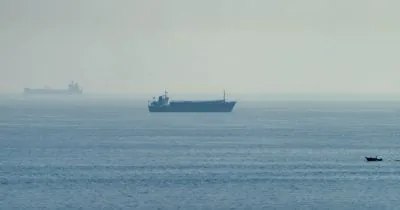
Prediction Markets Signal Prolonged Strait of Hormuz Disruption
Prediction markets are indicating that Strait of Hormuz shipping disruptions will extend far longer than anticipated, with oil traders positioning for sustained elevated prices. This geopolitical uncertainty is reshaping energy market dynamics and prompting significant capital reallocation across the sector.
Written by CoinArticle’s AI Newsroom · from 1 cited source. How we work
Prediction Markets Signal Prolonged Strait of Hormuz Disruption—Oil Traders Betting Big
Geopolitical Uncertainty Drives Market Activity
Prediction markets are increasingly signaling that disruptions to Strait of Hormuz shipping traffic will persist far longer than previously anticipated. The waterway, which handles approximately one-third of global maritime petroleum trade, remains a critical chokepoint for energy markets and geopolitical stability.
According to market data, traders are positioning themselves for an extended period of constrained supply and elevated transportation costs. Rather than a near-term resolution, prediction market participants are pricing in sustained disruptions where normal traffic patterns remain elusive for months to come. This shift in market sentiment reflects growing concern among energy professionals about underlying geopolitical tensions affecting the region.
Oil Markets React to Supply Concerns
The implications have rippled through crude oil markets, where traders are placing substantial wagers on continued price elevation. These positions represent calculated bets by institutional players, commodity funds, and energy companies hedging exposure to potential supply disruptions.
Prediction markets have emerged as a surprisingly effective tool for assessing geopolitical energy risks. Unlike traditional oil futures—influenced by broad macroeconomic factors—prediction markets aggregate specialized knowledge from traders with direct supply chain exposure. The emerging consensus suggests current geopolitical tensions warrant sustained energy price premiums.
Market Infrastructure Adapts to New Realities
Energy traders are actively monitoring prediction market signals alongside traditional intelligence and shipping data. This multi-source approach provides comprehensive insight into how markets perceive disruption duration and severity. Current valuations suggest the market is pricing in a "new normal" for Strait of Hormuz operations.
The duration question carries enormous implications. Short-term disruptions trigger tactical trading responses; prolonged disruptions reshape capital allocation decisions. Refineries adjust sourcing strategies, shipping companies reroute vessels through longer passages, and energy-intensive industries reassess operational costs.
Why This Matters
For Traders: Prediction markets offer earlier signals than traditional data, potentially providing edge opportunities for those carefully monitoring geopolitical risk pricing.
For Investors: Extended supply disruptions warrant portfolio reassessment, particularly energy sector valuations, transportation stocks, and inflation hedges in light of sustained commodity costs.
For Builders: Alternative energy routes, pipeline development, and renewable infrastructure gain urgency as traditional crude supply becomes unpredictable. Blockchain-based energy trading platforms and decentralized prediction markets may see increased institutional adoption as risk management tools.
Why It Matters
For Traders
Prediction markets offer earlier geopolitical risk signals than traditional data, potentially creating profitable trading opportunities.
For Investors
Sustained supply disruptions require portfolio reassessment of energy valuations, transportation stocks, and inflation protection strategies.
For Builders
Alternative energy infrastructure and blockchain-based trading platforms gain urgency as traditional energy supply becomes increasingly unpredictable.
This article is for information only and is not financial advice. Read the full disclaimer.