Iran-Europe Nuclear Tensions May Affect Crypto Market Sentiment
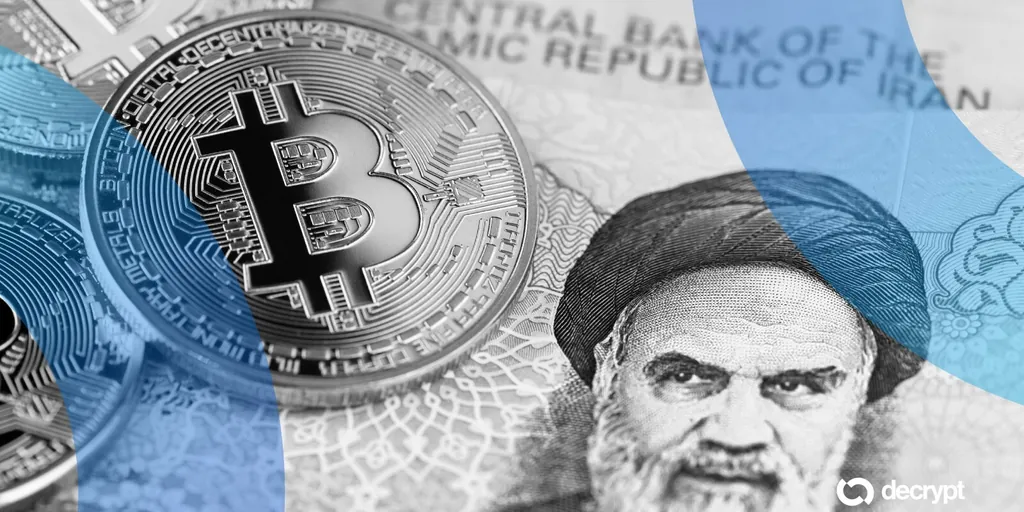
Escalating diplomatic tensions between Iran and European nations over the nuclear deal could increase geopolitical risk premiums across risk assets. Historically, regional conflicts have driven flows into safe-haven cryptocurrencies like Bitcoin.
Written by CoinArticle’s AI Newsroom · from 1 cited source. How we work
Diplomatic Rift Widens
Tensions between Iran and European signatories to the Joint Comprehensive Plan of Action (JCPOA) have intensified, with Iran publicly criticizing European nations' handling of nuclear deal obligations. Rising diplomatic friction is expected to complicate future negotiations and may harden positions on all sides, according to reporting from Crypto Briefing.
Potential Market Implications
Historical precedent suggests geopolitical escalation can drive asset allocation shifts as investors seek safety. During periods of regional conflict, Bitcoin and other cryptocurrencies often see increased inflows as hedges against currency debasement and traditional market volatility. The extent to which this particular dispute moves markets will likely depend on whether tensions translate into concrete economic sanctions or military posturing.
Broader Context
The JCPOA, signed in 2015 and abandoned by the United States in 2018, has remained fragile. European parties have struggled to maintain the agreement's viability amid U.S. sanctions and Iranian non-compliance claims. Any fresh breakdown in diplomatic channels could reduce confidence in multilateral agreements more broadly.
Why It Matters
For Traders
Geopolitical risk premiums typically widen during regional tensions; watch BTC/USD volatility and safe-haven inflows as a leading indicator of escalation.
For Investors
Recurring geopolitical cycles create macro backdrop conditions for asset allocation; periods of elevated tension historically favor uncorrelated assets like Bitcoin.
For Builders
Stablecoin demand and cross-border settlement infrastructure may see usage spikes if traditional financial channels face disruption from sanctions or capital controls.
This article is for information only and is not financial advice. Read the full disclaimer.