Iran's Political Transition May Reshape Middle East Geopolitics
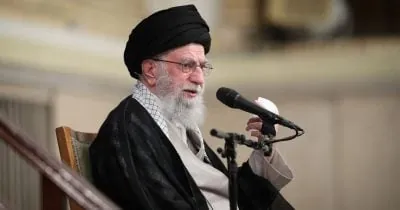
Iran is preparing for a significant leadership transition following the death of former Supreme Leader Ali Khamenei, expected to trigger broad political shifts. The event may alter regional stability and international relations, with potential ripple effects on global markets and crypto sentiment.
Written by CoinArticle’s AI Newsroom · from 1 cited source. How we work
Iran's Leadership Succession
Iran is preparing for a leadership transition following the death of Supreme Leader Ali Khamenei. The funeral is expected to be a major state event in July, marking a pivotal moment for the Iranian political system. The succession process will determine the direction of Iran's domestic and foreign policy for the coming years.
Potential Geopolitical Consequences
Analysts flag the transition as a potential catalyst for shifts in regional stability and international relations. Iran's internal power dynamics have long influenced Middle Eastern conflicts, energy markets, and sanctions policy. The outcome of the succession could reshape existing tensions and alter the stance of external actors including the U.S., Israel, and Gulf states.
Macro Context for Markets
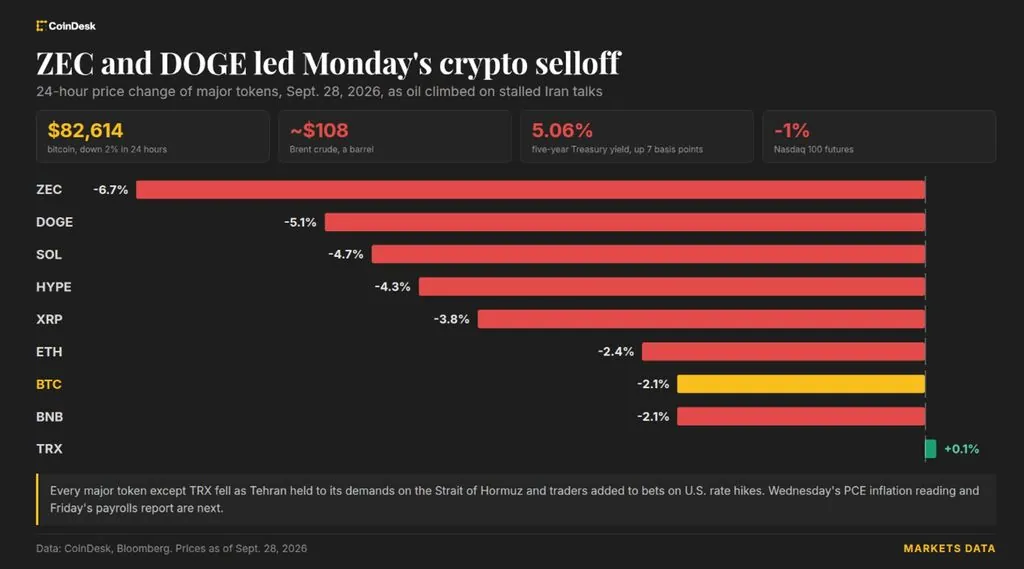
Political uncertainty in Iran historically correlates with volatility in oil prices, risk-off sentiment in equities, and shifts in safe-haven demand. Crypto markets, while not directly tied to Iranian policy, respond to broader macro volatility and geopolitical risk premiums. Traders monitoring emerging-market exposure and energy-sector correlations should factor the transition timeline into their positioning.
Why It Matters
For Traders
Geopolitical uncertainty around Iran's succession may elevate risk-off volatility and oil prices, which historically correlate with macro crypto sentiment in the near term.
For Investors
A major shift in Iran's regional posture could alter sanctions regimes, energy markets, and multi-year asset correlations that affect global portfolio construction.
For Builders
Infrastructure and protocol teams exposed to geopolitical risk should monitor Iranian policy shifts; sanctions or banking isolation have historically affected crypto adoption in targeted regions.
This article is for information only and is not financial advice. Read the full disclaimer.