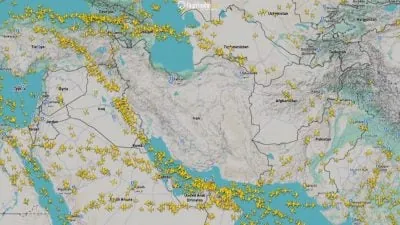
Iran Rejects US Proposal, Stalls Near-Term Diplomatic Meeting
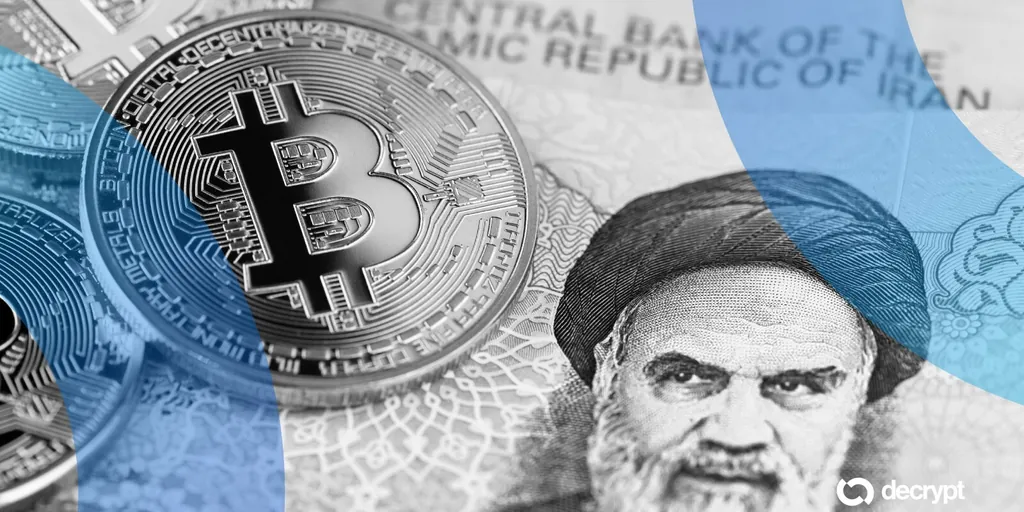
Iran rejected a US diplomatic proposal, reducing the likelihood of imminent talks between the two nations. The move signals continued geopolitical tension that could affect risk sentiment across crypto and traditional markets.
Written by CoinArticle’s AI Newsroom · from 1 cited source. How we work
Diplomatic Impasse Deepens
Iran has rejected a US proposal aimed at facilitating near-term diplomatic negotiations, according to reporting by Crypto Briefing. The rejection narrows the window for direct talks between Washington and Tehran in the coming weeks, marking a setback in efforts to de-escalate tensions between the two governments.
Regional Stability and Market Risk
Heightened US-Iran tensions historically correlate with broader geopolitical risk premiums that ripple into financial markets, including cryptocurrencies. While crypto markets are not directly exposed to foreign policy outcomes, elevated regional instability can trigger flight-to-safety dynamics and increased volatility in risk assets, particularly during periods of broader macro uncertainty.
Why It Matters
For Traders
Geopolitical escalation typically increases volatility premiums; monitor oil price moves and USD strength as potential drivers of crypto correlation shifts.
For Investors
Sustained regional tension can suppress risk appetite for 3-6 months; diversification into less-correlated assets becomes more valuable in protracted uncertainty.
For Builders
Infrastructure teams should stress-test systems for prolonged market volatility; geopolitical events occasionally trigger exchange liquidity crunches that expose protocol edge cases.
This article is for information only and is not financial advice. Read the full disclaimer.