Geopolitical Tensions in Strait of Hormuz May Pressure Oil Markets and Crypto
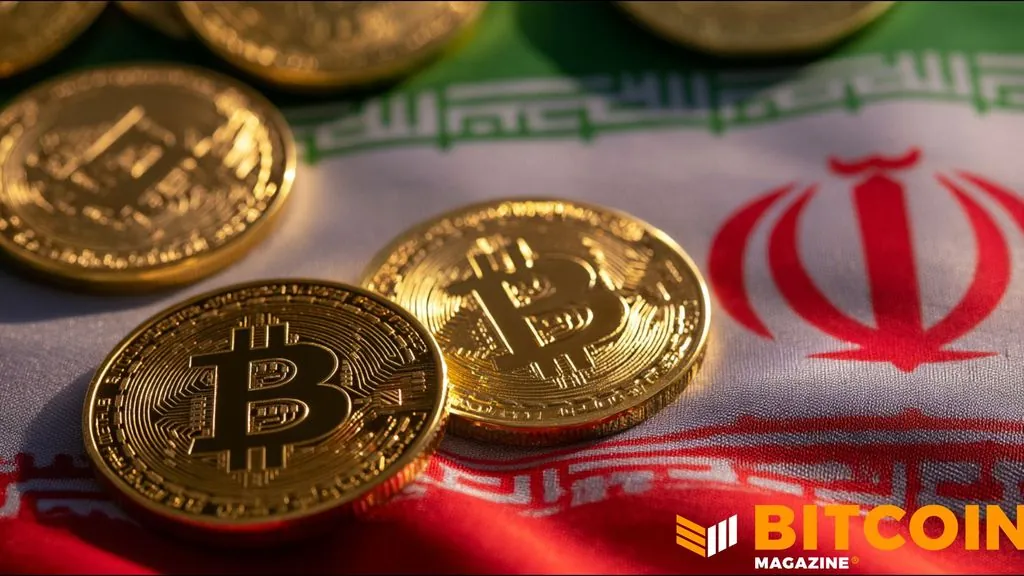
Escalating military activity in the Strait of Hormuz threatens global shipping routes and oil supply stability. Heightened geopolitical risk historically correlates with increased volatility in energy markets and defensive positioning in crypto assets.
Written by CoinArticle’s AI Newsroom · from 1 cited source. How we work
Strait of Hormuz Tensions Rise
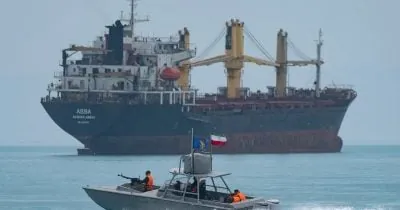
Military activity in the Strait of Hormuz has intensified, raising concerns about disruptions to one of the world's most critical shipping lanes. Approximately one-third of global seaborne oil passes through the strait, making any sustained disruption a significant economic risk. The escalation introduces immediate uncertainty into energy markets and global trade.
Macro Implications for Crypto Markets
Geopolitical shocks that threaten oil supply typically trigger flight-to-safety behavior across financial markets. Bitcoin and other non-correlated assets have historically seen inflows during periods of heightened geopolitical risk, as investors seek hedges against currency volatility and inflation expectations. Oil price spikes driven by supply concerns can also amplify inflation expectations, which may support longer-term demand for hard-money narratives.
The immediate near-term effect is likely to be elevated volatility across all risk assets, including crypto, as markets price in the tail risk of sustained shipping disruptions or energy supply shocks. Energy-heavy economies and markets with high import exposure to Persian Gulf oil may see their local currencies weaken relative to dollar-denominated assets.
Why It Matters
For Traders
Oil price volatility from Strait of Hormuz disruption risk may translate to equity and commodity index correlations that bleed into crypto volatility; monitor VIX and energy futures for directional signals.
For Investors
Geopolitical shocks historically correlate with Bitcoin inflows as a non-correlated asset; sustained shipping disruptions could support longer-term inflation narratives that favor hard-money narratives.
For Builders
Stablecoin issuers and cross-border payment protocols may see increased transaction demand if traditional financial corridors face disruption, but also face higher volatility in underlying collateral.
This article is for information only and is not financial advice. Read the full disclaimer.