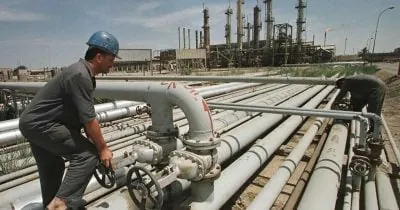
Iraq, Syria Rebuild Oil Pipeline to Reduce Hormuz Strait Dependence
Iraq and Syria signed an agreement to rebuild the Kirkuk-Baniyas pipeline, capable of moving 2 million barrels per day to Mediterranean ports. The project aims to reduce Iraq's reliance on the Strait of Hormuz, a chokepoint through which roughly one-third of global seaborne oil passes.
Written by CoinArticle’s AI Newsroom · from 1 cited source. How we work
Pipeline Reconstruction Agreement
Iraq and Syria have signed a deal to restore the Kirkuk-Baniyas oil pipeline, which would carry crude from Iraq's northern Kirkuk field to the Syrian port of Baniyas on the Mediterranean Sea. The pipeline is designed to handle 2 million barrels per day (bpd), making it one of the largest export routes for Iraqi crude if fully operational.
The pipeline has been largely inactive for decades due to regional conflict and deteriorating infrastructure. Rebuilding the route would require significant capital investment and coordination between the two governments, as well as security measures to protect the 900-kilometer stretch of pipeline crossing both countries.
Strategic Rationale
Iraq currently exports most of its oil through the Strait of Hormuz, the narrow waterway between Iran and Oman that handles roughly one-third of global seaborne oil shipments. Any disruption to traffic through the Strait — whether from geopolitical tension, military action, or accident — can spike global crude prices and create supply uncertainty.
A functioning Kirkuk-Baniyas pipeline would give Iraq an alternative export corridor to the Mediterranean, reducing vulnerability to Hormuz-related supply shocks. Syria gains potential transit revenue and access to regional energy infrastructure investment. For global energy markets, a restored pipeline adds redundancy to Middle Eastern export capacity.
Why It Matters
For Traders
A functioning 2-million-bpd export alternative could reduce upside volatility in crude oil prices tied to Hormuz geopolitical risk, though pipeline completion timelines are uncertain.
For Investors
Macro-level energy infrastructure changes that reduce crude supply-shock risk dampen volatility across risk assets and emerging-market currencies dependent on oil revenues.
For Builders
Blockchain-based energy trading platforms and oracle systems dependent on oil price feeds should model reduced Hormuz-shock tail risk into their volatility assumptions and liquidation parameters.
This article is for information only and is not financial advice. Read the full disclaimer.