Geopolitical Tensions Rise as IRGC Escalates Rhetoric on US Engagement
Iran's Islamic Revolutionary Guard Corps claimed Tuesday it conducted missile and drone strikes on US positions and threatened to end ongoing diplomatic engagement. The escalation has prompted analysis of potential spillover effects on crude oil markets and broader macroeconomic stability.
Written by CoinArticle’s AI Newsroom · from 1 cited source. How we work
Military Claims and Diplomatic Threats
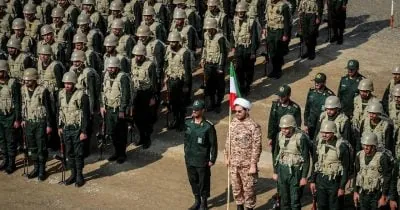
The Islamic Revolutionary Guard Corps (IRGC) announced Tuesday that it had conducted strikes against US military positions and signaled willingness to terminate existing diplomatic arrangements. The specific targets and scale of the claimed strikes remain unclear, and independent verification of the IRGC's claims has not been established.
Market and Policy Implications
Diplomacy breakdowns between the US and Iran historically correlate with volatility in crude oil markets, given Iran's role as a significant OPEC producer. Such escalations can also trigger broader risk-off sentiment across equities and commodity markets. Cryptocurrency traders often monitor macroeconomic stress indicators as proxies for capital reallocation and volatility expansion.
Regional instability and trade policy uncertainty typically precede periods of increased volatility in risk assets. The timing and magnitude of any actual diplomatic rupture would determine whether this rhetoric translates into material market impact.
Why It Matters
For Traders
Oil price spikes from geopolitical escalation historically precede crypto volatility as investors reassess macro risk; monitor WTI crude as an early indicator.
For Investors
Persistent US-Iran tensions reduce appetite for risk assets broadly, potentially redirecting capital away from crypto and toward safe havens like treasuries and gold.
For Builders
Macro volatility and potential sanctions regimes create operational uncertainty for protocols with global user bases, particularly those with Iranian users or Middle Eastern infrastructure.
This article is for information only and is not financial advice. Read the full disclaimer.