Lebanon-Israel Tensions Rise as Protestors Challenge Ceasefire Deal
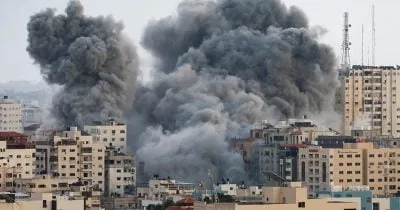
Protestors in Beirut have taken to the streets to oppose a ceasefire agreement between Lebanon and Israel, raising concerns about the accord's durability. Regional tensions could complicate efforts to establish lasting peace and stability in the Middle East.
Written by CoinArticle’s AI Newsroom · from 1 cited source. How we work
Protests Challenge Regional Agreement
Demonstrators gathered in Beirut to voice opposition to the Israel-Lebanon ceasefire deal, signaling internal political resistance to the accord. The scale and composition of the protests remain unclear from available reporting, though their emergence suggests domestic divisions over the agreement's terms and implications.
Risks to Peace Efforts
The protests underscore broader challenges to regional stability. Sustained opposition within Lebanon could undermine the political consensus needed to enforce the agreement and may complicate future negotiations. Regional tensions of this nature typically extend timelines for implementation and increase the risk of unexpected escalation.
Context
Ceasefire agreements between Israel and neighboring states have historically faced domestic opposition from various political factions. The durability of any accord depends partly on whether signatories can maintain domestic political support for enforcement and compliance over the medium term.
Why It Matters
For Traders
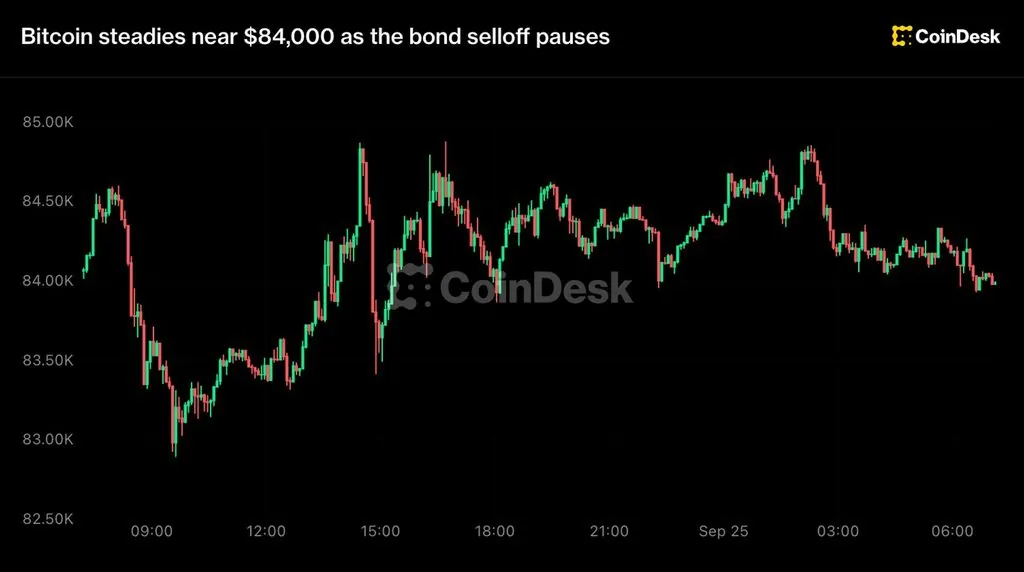
Geopolitical instability in the Levant has historically driven safe-haven flows into Bitcoin and other non-correlated assets; watch for any escalation signals.
For Investors
Middle East tensions carry systemic risk to global markets and energy prices, which can indirectly affect crypto volatility and macro sentiment.
For Builders
Regional conflict often disrupts internet infrastructure and financial networks; builders should model resilience assumptions for users in affected zones.
This article is for information only and is not financial advice. Read the full disclaimer.