Ledger CTO Says Coldcard Exploit Highlights Need for Certified Hardware Randomness
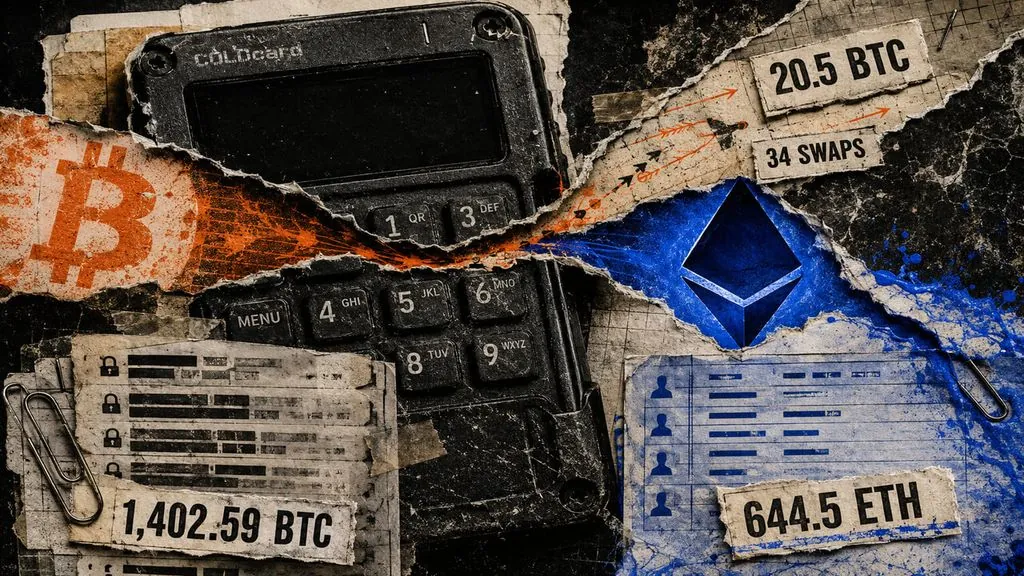
Ledger's Chief Technology Officer Charles Guillemet used the recent Coldcard exploit to argue that certified hardware randomness is essential for Bitcoin wallet security. Guillemet linked the vulnerability to AI-driven threats reshaping wallet security models.
Written by CoinArticle’s AI Newsroom · from 1 cited source. How we work
Story Updates
- Updated Aug 16, 2026, 01:09 AM: Decrypt reporting confirms AI as a factor in Guillemet's statement; article expanded to reflect the connection.
What Guillemet Argued
Ledger CTO Charles Guillemet said the Coldcard exploit demonstrates why Bitcoin hardware wallets must rely on certified hardware randomness generation rather than software-based alternatives. In comments on the incident, Guillemet highlighted that true randomness—the foundation of cryptographic key generation—cannot be assured through software alone and requires dedicated hardware components with proper certification.
Randomness as a Security Foundation
Hardware wallets generate private keys by combining entropy sources; if that entropy is predictable or compromised, an attacker can derive private keys and steal funds. The Coldcard incident exposed vulnerabilities in how some devices handle randomness, making the distinction between certified and uncertified components a material security difference. Guillemet's remarks position randomness as a primary security layer rather than a secondary concern.
AI and Evolving Threat Models
Guillemet linked the security debate to broader industry shifts driven by artificial intelligence. According to reporting from Decrypt, Guillemet framed AI as a factor reshaping wallet security assumptions and forcing designers to move beyond static threat models. He did not specify particular attack vectors but suggested the industry must account for rapidly evolving attack surfaces that AI may accelerate. Ledger's public stance appears designed to position its own hardware randomness strategy as responsive to these emerging challenges.
Why It Matters
For Traders
Hardware wallet security weaknesses do not directly move prices, but loss-of-funds incidents can trigger broader selloffs; Ledger's positioning may signal confidence in its own security relative to competitors.
For Investors
If hardware wallet exploits become more common or AI-accelerated, demand for certified security components may shift market share among wallet makers and affect their valuations.
For Builders
Projects integrating hardware wallet support or offering custody solutions should audit randomness generation and certification practices against AI-informed threat models.
This article is for information only and is not financial advice. Read the full disclaimer.