Ledger Patches Ethereum Signing Flaw That Could Mask Transaction Substitution
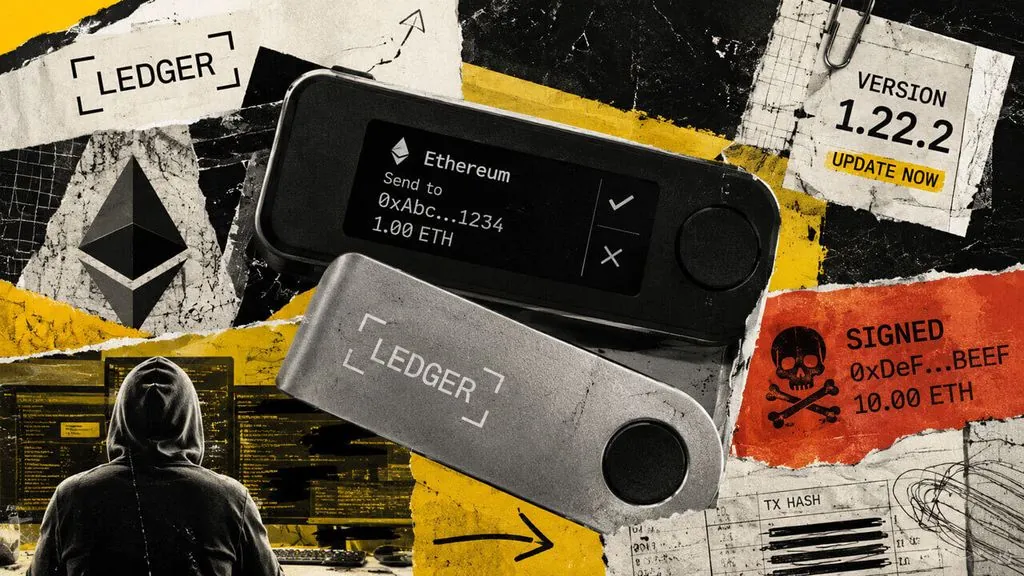
Ledger released a firmware update addressing a vulnerability in its Ethereum app that could allow users to sign transactions different from those displayed on-device. The company says the flaw was already fixed and urged users to update to version 1.22.2 and latest firmware.
Written by CoinArticle’s AI Newsroom · from 2 cited sources. How we work
The Vulnerability
Ledger identified a flaw in certain Ethereum clear signing flows that could permit transaction substitution — a user might see one transaction on their device screen but sign a different one. According to CryptoSlate, the vulnerability affected the ability to verify that the transaction being signed matched what was displayed, a critical safeguard for hardware wallet users who rely on physical validation before approving on-chain actions.
Fix and Update Path
Ledger says it patched the issue and released version 1.22.2 of its Ethereum app alongside updated firmware. The patch adds two signing-state safeguards to prevent the substitution vector. CryptoSlate notes that public validation of the attack path is currently limited to Ledger's Flex model, leaving the extent of exposure across Ledger's full hardware lineup unclear from available disclosures. The company advised users to update both their firmware and Ethereum app to the latest versions.
Attribution of Fix Timeline
Ledger's statement that the flaw was "already fixed" suggests the vulnerability was patched before public disclosure, though neither source specifies when the flaw was first introduced or discovered internally. No evidence of the vulnerability being exploited in the wild has been disclosed.
Why It Matters
For Traders
Hardware wallet users holding Ethereum should apply the update immediately to eliminate transaction-signing risk during any active trading or DeFi interactions.
For Investors
A signing-flow vulnerability in a major hardware wallet erodes confidence in self-custody infrastructure; timely patching and communication matter for institutional adoption.
For Builders
DeFi protocols relying on hardware wallet security assumptions should review whether their transaction validation logic could mask such substitution attacks.
This article is for information only and is not financial advice. Read the full disclaimer.