Malware in 8 Steam Games Steals Crypto Tokens, Traced to Uber Eats
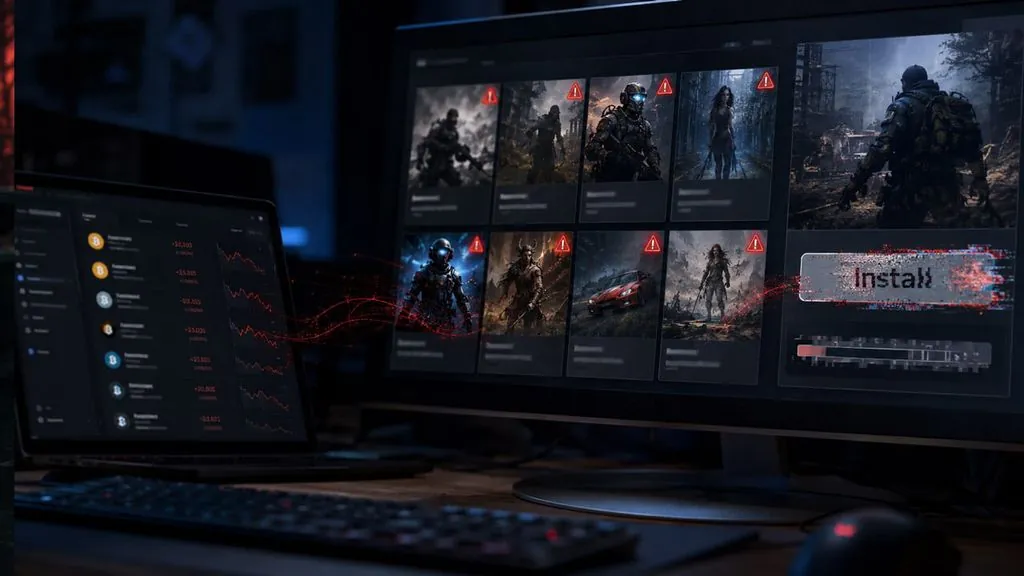
Researchers identified cryptocurrency-stealing malware embedded in eight Steam games that siphoned tokens from player wallets. Investigators traced Bitcoin-funded gift cards purchased with stolen funds to Uber Eats deliveries, linking the theft to physical activity.
Written by CoinArticle’s AI Newsroom · from 1 cited source. How we work
Malware Distribution and Theft Method
Eight games available on Steam were found to contain malware designed to steal cryptocurrency tokens from users' wallets, according to researchers. The malicious code operated silently within the games, extracting wallet credentials or private keys without user awareness. The scope of affected players and total token value stolen has not been specified in available reports.
Investigation Trail to Physical Activity
Investigators traced the stolen Bitcoin through a chain of conversions that led to gift card purchases for Uber Eats. The use of cryptocurrency-funded gift cards to pay for food deliveries created a forensic trail linking digital theft to physical world transactions. This connection between on-chain activity and real-world purchases provided investigators with actionable leads on the perpetrators.
Broader Implications for Gaming and Wallet Security
The incident illustrates how popular gaming platforms can become vectors for wallet compromise. Users who hold cryptocurrency on devices where they also play games face dual exposure: traditional malware vectors through software distribution channels, and the direct temptation of embedded theft mechanisms. Steam has not announced account-level notifications to affected users or plans to remove the flagged games from its storefront.
Why It Matters
For Traders
Active traders using gaming PCs for wallet management should isolate crypto-holding devices from entertainment software to reduce malware exposure vectors.
For Investors
The incident underscores ongoing gaps in third-party software vetting on distribution platforms and the continued risk of custodial compromise for non-institutional holders.
For Builders
Wallet providers and gaming platforms should prioritize hardware-level isolation features and signed execution environments to prevent memory-resident malware from accessing key material.
This article is for information only and is not financial advice. Read the full disclaimer.