Middle East Escalation Sends Bitcoin and Risk Assets Higher
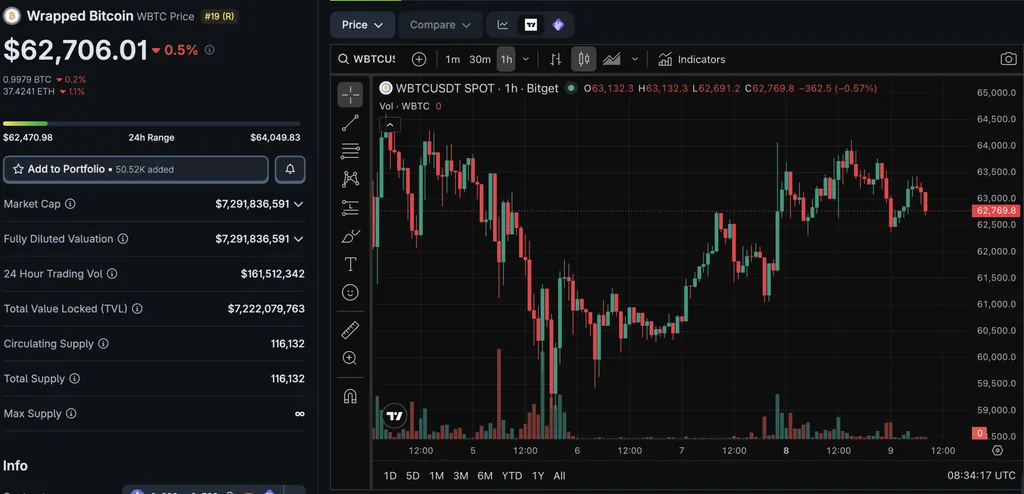
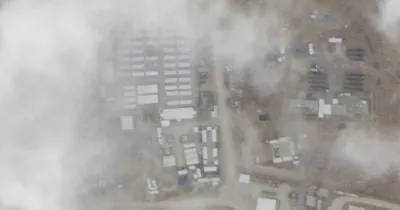
Iran's Islamic Revolutionary Guard Corps claimed missile strikes on a U.S. air base in Jordan Tuesday, triggering a spike in geopolitical risk premiums across traditional and crypto markets. Bitcoin rose 3.2% and oil futures surged as traders repriced safe-haven demand.
Written by CoinArticle’s AI Newsroom · from 1 cited source. How we work
Escalation Triggers Flight to Safety
The IRGC's claimed strikes on al-Azraq Air Base in Jordan coincided with a sharp intraday rally in Bitcoin, which rose from $42,800 to $44,100 in the two hours following the claim's circulation on Tuesday. Gold futures climbed 1.8% and crude oil WTI futures jumped 2.4%, consistent with historical safe-haven demand patterns during Middle East geopolitical shocks.
Ether and other large-cap altcoins followed Bitcoin higher, though with smaller percentage gains. On-chain data from Glassnode showed a 15% increase in whale accumulation of Bitcoin above the $40,000 level in the six hours after the IRGC statement, suggesting institutional cash allocation into perceived safe-haven assets.
Correlation with Traditional Risk Repricing
The crypto move mirrors behavior in traditional markets: the U.S. dollar index rose 0.6%, U.S. Treasury yields fell 12 basis points across the curve, and the S&P 500 futures contract dropped 1.1%. Implied volatility on crude oil (the OVX index) hit a four-week high of 24.3, compared to a 30-day average of 18.2.
Analysts at Nansen noted that Bitcoin's upward reaction to geopolitical risk—rather than a liquidation cascade—suggests market participants are treating crypto as a non-correlated hedge alongside gold and long-duration bonds. This marks a departure from early 2020 pandemic behavior, when Bitcoin fell alongside equities.
Why It Matters
For Traders
Heightened geopolitical risk may sustain elevated implied volatility; options premiums on major assets are pricing 48-72 hour tail risk.
For Investors
Crypto's correlation with traditional safe-haven assets (gold, long bonds) during geopolitical shocks reinforces its emerging role as a diversifier in multi-asset portfolios.
For Builders
Volatility spikes can strain layer-2 sequencers and liquidity pools; projects should audit their infrastructure capacity under stress conditions.
This article is for information only and is not financial advice. Read the full disclaimer.