MiniMax Unveils AI Model M2.7 Amid Controversial License Change
MiniMax has launched its advanced AI agent model, M2.7, which excels at complex coding tasks, outshining notable competitors. However, a sudden change in its licensing terms has raised questions within the tech community.
Written by CoinArticle’s AI Newsroom · from 1 cited source. How we work
MiniMax Launches Revolutionary AI Model M2.7, Then Alters License Terms
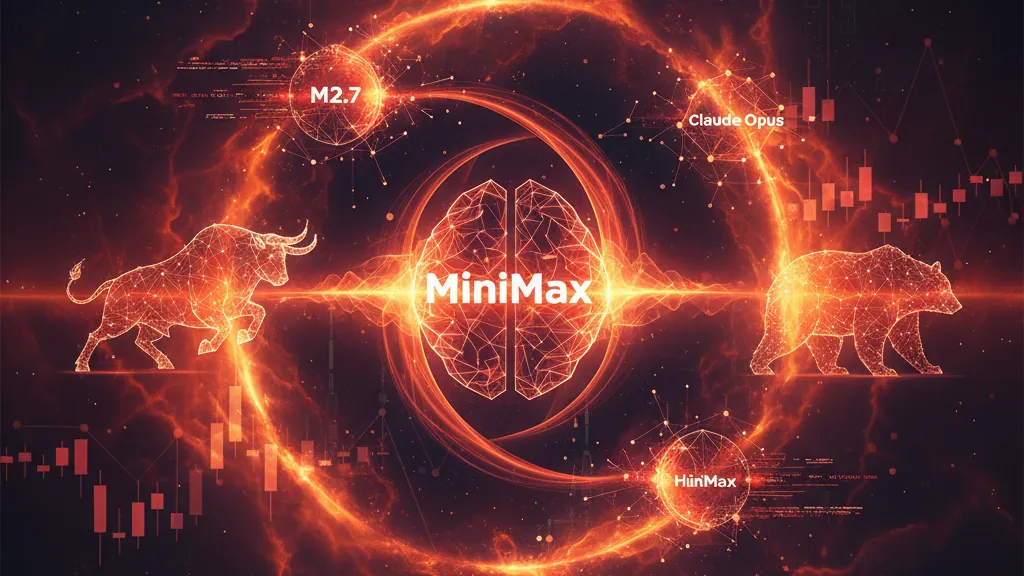
In a bold move signalling its ambitious vision in the artificial intelligence landscape, the Chinese AI laboratory MiniMax has unveiled its latest AI agent model, M2.7. This state-of-the-art model is meticulously designed to tackle complex coding tasks and has rapidly garnered attention for its impressive capabilities, especially when benchmarked against notable competitors such as Claude Opus.
The Launch of M2.7
MiniMax's M2.7 model showcases outstanding performance metrics that position it in direct competition with some of the leading alternatives in the market. Coders and developers have reported substantial enhancements in productivity when utilizing M2.7 for a variety of tasks, making it a formidable contender in AI-driven coding assistance. Upon its initial release, MiniMax made the M2.7 model's weights available on Hugging Face, a renowned platform for sharing and distributing AI models, further igniting interest among developers and researchers.
A Sudden License Change
However, shortly after its highly publicized launch, MiniMax executed a puzzling strategy by altering the commercial licensing terms of the M2.7 model. This unexpected move has raised eyebrows within the tech community and triggered concerns among potential users considering integrating the model into their projects. While specific details regarding the nature of the license change remain ambiguous, observers speculate that MiniMax may be positioning itself to effectively monetize the model, potentially affecting its accessibility for smaller developers and startups.
Why It Matters
For Traders
The swift evolution in AI technology and shifting licensing practices can indicate changes in market dynamics. Traders closely monitoring MiniMax and competitors like Claude Opus should assess how these developments could influence stock prices or market standings.
For Investors
Investors must consider MiniMax's strategic decision-making and its implications for market competitiveness. M2.7's initial success could signal robust revenue potential, yet the modified license terms might impact the model's adoption rate, making it crucial to understand shifting market access and pricing strategies for informed investment choices.
For Builders
Developers aiming to leverage AI models for their projects must stay attuned to licensing changes to avoid potential pitfalls. The adjusted terms of M2.7 underscore the necessity of due diligence when selecting tools for software development. Those interested in constructing or utilizing AI solutions should carefully weigh whether the advantages of M2.7 outweigh the restrictions imposed by the revised licensing terms.
In summary, while MiniMax’s M2.7 has the potential to revolutionize the current AI landscape, the subsequent modifications in its licensing conditions may significantly reshape how developers and enterprises engage with this cutting-edge technology. As the situation unfolds, stakeholders within the AI ecosystem will need to adapt to these dynamic changes.
This article is for information only and is not financial advice. Read the full disclaimer.