NEAR Intents Blocks $50M in Suspected Bitget Hacker Transfers
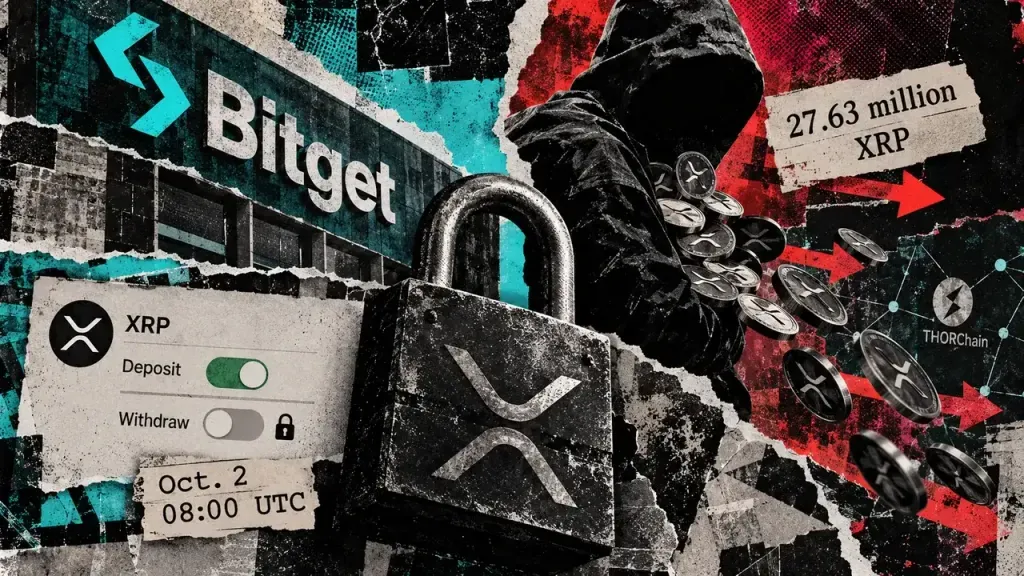
NEAR Intents, a swap aggregation service, identified and blocked over $50 million in transfers it linked to the Bitget exchange hack. However, most of the rejected funds were subsequently routed through alternative providers, limiting the practical impact of the intervention.
Written by CoinArticle’s AI Newsroom · from 2 cited sources. How we work
The Block and Its Limits
NEAR Intents detected and halted over $50 million in attempted transfers that it attributed to hackers connected to the Bitget exchange breach, according to statements from the service. However, the majority of those funds were not frozen permanently; instead, they were rerouted through other swap providers after NEAR Intents rejected them, according to CoinDesk reporting.
THORChain's Response and Policy Defense
The incident prompted THORChain to defend its own stance on selective transaction freezes. THORChain's position suggests the network viewed NEAR Intents' intervention as raising questions about the broader principle of censorship resistance in decentralized protocols. The exchange between the two services underscores an ongoing tension in the industry: how far should swap aggregators and decentralized exchanges go in preventing stolen funds from moving, versus maintaining the principle that protocols should not selectively block transactions.
Ongoing Movement of Funds
Because NEAR Intents could only refuse the transactions on its own interface, the blocked transfers highlight the limits of any single service's ability to contain compromised funds. With multiple competing swap routes available, hackers retain options to move assets even when one provider intervenes.
Why It Matters
For Traders
Multi-hop swaps through alternative providers remain available for moving large sums; single-service blocks do not hermetically seal fund movement across DeFi.
For Investors
The incident illustrates the structural challenge facing DeFi: no single protocol can enforce compliance without fragmenting liquidity and pushing users to less cooperative competitors.
For Builders
Swap aggregators and DEXs face conflicting pressures to block suspicious activity while respecting censorship resistance; architectural solutions (e.g., stablecoin freezing at settlement layer) may offer cleaner alternatives than application-layer blocks.
This article is for information only and is not financial advice. Read the full disclaimer.