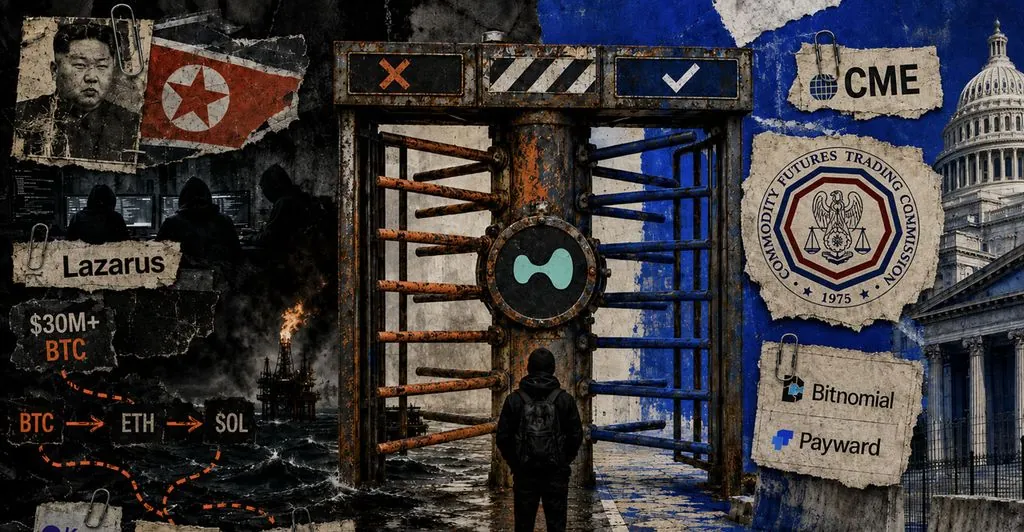
North Korean Hackers Move $30M Through Hyperliquid as Regulators Scrutinize US Onboarding
Blockchain analysis tied to North Korea's Lazarus Group shows wallets selling over $30 million in Bitcoin on Hyperliquid over three weeks in late August. The activity has renewed regulatory concerns about the platform's pseudonymous trading model and potential use by sanctioned actors to evade enforcement.
Written by CoinArticle’s AI Newsroom · from 2 cited sources. How we work
The Activity and Its Detection
Wallets linked to North Korea's Lazarus Group sold more than $30 million in Bitcoin on Hyperliquid between early and late August, according to blockchain analysis reviewed by CoinDesk and published by Arkham on August 31. The transactions underscore the ease with which perpetually-online, pseudonymous derivatives platforms can facilitate movement of funds without the identity verification typical of traditional finance or regulated exchanges.
Regulatory Warnings and the Onboarding Push
The activity occurs as Trump administration officials and venture capital backers push for Hyperliquid to onboard US users. However, CME Group and ICE Futures—both legacy derivatives platforms—flagged the issue to Washington in May, warning that Hyperliquid's design could allow sanctioned state actors to circumvent sanctions enforcement. Regulators have historically used exchange-level compliance as the primary tool to block illicit actors; a platform that operates without user identity verification upends that model.
Implications for US Regulatory Strategy
The Lazarus Group cashout provides legacy finance with concrete evidence to argue against loosening US restrictions on decentralized or pseudonymous trading venues. Whether regulators will prioritize blocking Hyperliquid's domestic expansion, impose sanctions on the platform itself, or attempt to restrict its access to US banking infrastructure remains unclear.
Why It Matters
For Traders
Regulatory action targeting Hyperliquid's US access or liquidity could materially disrupt trading conditions and increase slippage in coming weeks.
For Investors
The incident strengthens the hand of legacy finance lobbying against decentralized exchange onboarding and may delay or block broader crypto platform approvals in the US.
For Builders
Pseudonymous trading venues now face heightened compliance risk; future DeFi platforms seeking US users may need to implement identity verification or face exclusion from US-regulated banking rails.
This article is for information only and is not financial advice. Read the full disclaimer.