Pi Network's Daily Tap Model: How SCP Secures a Non-Proof-of-Work Network
Pi Network uses a daily tap mechanism rather than traditional proof-of-work mining, relying on the Stellar Consensus Protocol to validate transactions and secure the network through a trust graph. The model differs fundamentally from Bitcoin and Ethereum by distributing tokens through user participation in security circles instead of computational work.
Written by CoinArticle’s AI Newsroom · from 1 cited source. How we work
How Pi's Daily Tap Differs from Mining
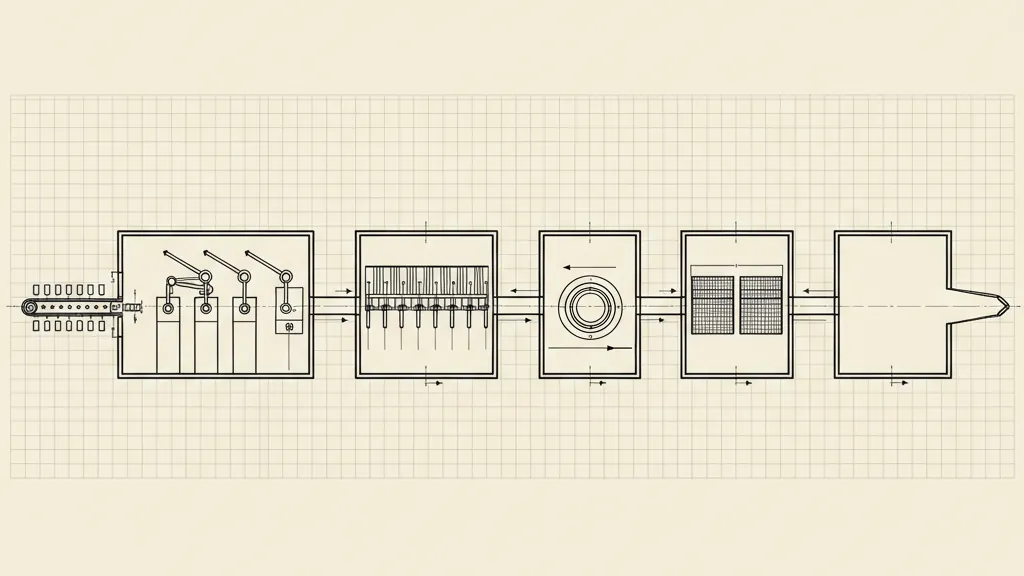
Pi Network's core mechanism is not mining in the traditional sense but a daily tap—a claim that users can execute once per day to earn newly issued Pi tokens. The network does not require users to solve computational puzzles or maintain expensive hardware. Instead, participants earn tokens by maintaining a "security circle," a list of other users they trust to validate transactions on their behalf.
The Stellar Consensus Protocol and the Trust Graph
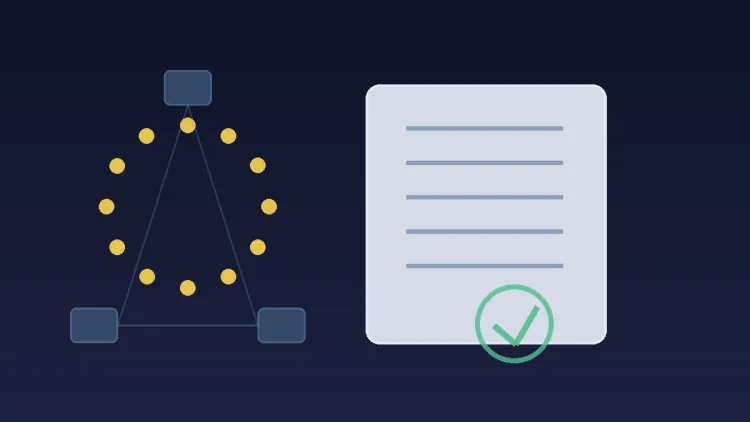
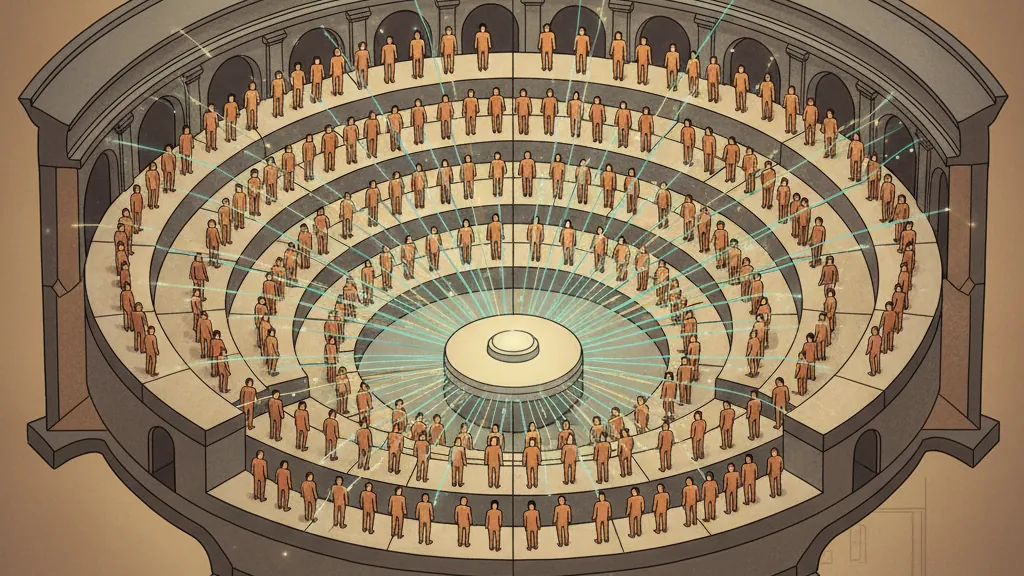
Pi relies on the Stellar Consensus Protocol (SCP), an alternative consensus mechanism that does not require proof-of-work. Under SCP, security is achieved through a network of trusted nodes and a trust graph—a map of who validates on behalf of whom. Each user designates a small set of other users as validators in their security circle. When a transaction needs confirmation, the protocol checks whether a quorum of trusted nodes agrees, rather than racing to solve a cryptographic puzzle.
Nodes that maintain the network and participate in consensus must hold a minimum amount of Pi and demonstrate reliability over time. The trust graph prevents Sybil attacks by making it difficult for one actor to create many fake identities, since each identity must earn trust from existing users.
Supply Distribution and Network Security
New Pi tokens are distributed daily to active users who complete the tap and maintain a valid security circle. This approach trades the energy intensity of proof-of-work for a social layer—users collectively vouch for one another's role in validating the network. The model prioritizes accessibility over decentralization achieved through mining pools or hardware competition.
Why It Matters
For Traders
Pi's token distribution via daily tap rather than mining affects supply dynamics and may influence price volatility differently than proof-of-work networks.
For Investors
A trust-graph-based consensus model trades decentralization and energy efficiency against novel attack vectors that traditional proof-of-work consensus does not face.
For Builders
SCP and security circles create a social validation layer that differs from validator sets in Ethereum or Solana; apps on Pi must account for trust-graph implications in settlement timing.
This article is for information only and is not financial advice. Read the full disclaimer.