Pi Network Protocol 26 Upgrade Deadline Looms, Risk of Node Disconnection
Pi Network's mandatory Protocol 26 upgrade reaches its August 11 deadline tomorrow, after which non-compliant node operators will be disconnected from mainnet. The upgrade is a stress test for a project operating 421,000 nodes with limited exchange support.
Written by CoinArticle’s AI Newsroom · from 1 cited source. How we work
Mandatory Upgrade and Disconnection Risk
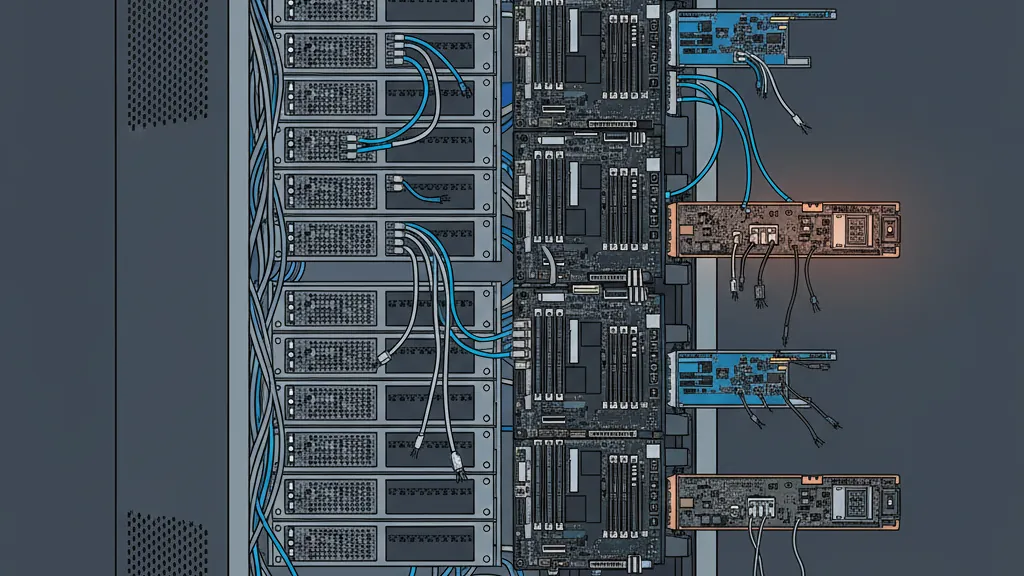
Pi Network node operators must upgrade to Protocol 26 by August 11 or face disconnection from the network's mainnet, according to the project's deadline. The upgrade is not optional; nodes running earlier versions will be unable to participate in consensus or sync with the active chain after the cutoff. With approximately 421,000 nodes currently operating on the network, the upgrade represents a significant coordination challenge and a practical test of the project's ability to execute a network-wide migration.
Current State and Market Context
Pi trades at $0.08 per token, well below valuations implied in early project marketing. The token remains absent from major exchanges, with Binance notably declining to list it despite Pi's claims of 60 million users. The Protocol 26 upgrade occurs against this backdrop of limited liquidity and restricted access to mainstream trading venues, which constrains the ability of node operators to liquidate holdings or hedge against network disruptions.
Implications for Network Cohesion
A significant portion of nodes failing to upgrade by the deadline could fragment the network or leave parts of the validator set unable to process transactions. The project has not disclosed the current compliance rate or contingency plans if participation falls below critical thresholds. The upgrade serves as a real-time measure of operational coordination within Pi's node operator base, a metric that has limited historical precedent in projects of comparable size.
Why It Matters
For Traders
Pi trading liquidity and price action may become volatile if a significant node population goes offline, reducing network utility and perception of stability.
For Investors
A failed or partial upgrade could signal operational weakness and reduce confidence in the project's ability to execute planned protocol changes.
For Builders
Any bridge or cross-chain protocol integrating with Pi should monitor node availability post-deadline to assess whether network consensus capacity has degraded.
This article is for information only and is not financial advice. Read the full disclaimer.