US Moves to Recover $1.2 Billion in Binance Hack Funds, Timeline Unresolved
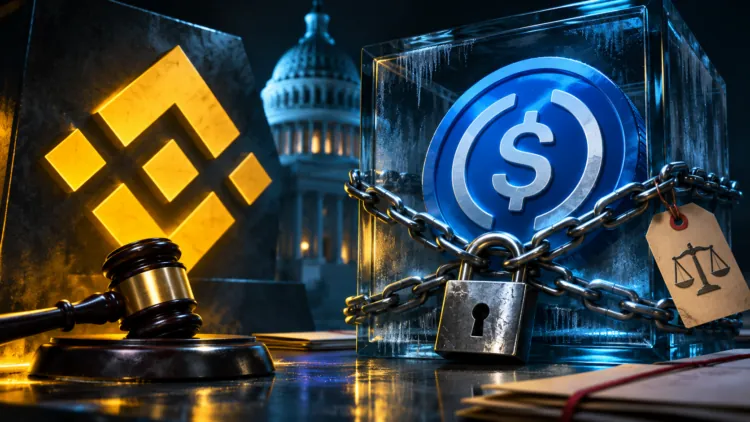
US authorities have secured court authority over more than $1.2 billion tied to the roughly $6 billion Binance hack of October 29, while a November 23 civil forfeiture complaint targets about $1.1 billion in USDC. Sources differ on the covered amount, and neither the DOJ nor the filings specify when or to whom any funds would be returned.
Written by CoinArticle’s AI Newsroom · from 2 cited sources. How we work
What the Justice Department Disclosed
The Department of Justice said on November 12 that it had secured court authorization to seize or restrain more than $1.2 billion in assets stolen in the October 29 Binance theft. The department attributes the theft of more than $6 billion to North Korean military actors it calls TraderTraitor. Its announcement did not report completed forfeiture or a timetable for returning the money.
The $1.2 billion figure sits inside a larger pool of more than $2.7 billion frozen through combined government and private-sector efforts, according to the department. The two numbers measure different things: the larger one reflects the total frozen, while the smaller one covers only the portion for which the DOJ reports seizure or restraint authority.
The November 23 Forfeiture Complaint
NewsBTC reports that a civil forfeiture complaint filed November 23 in the US District Court for the District of Columbia seeks more than $1.1 billion in USDC linked to the hack, across 36 addresses on 18 blockchains. That figure is lower than the $1.2 billion DOJ cited on November 12. The discrepancy likely reflects different valuation dates, asset definitions or the scope of addresses covered, but the sources do not explain it, and the figures should not be treated as a common series.
The complaint places the original theft at approximately $6 billion, consistent with the DOJ's account. Binance and Circle both consented to the initial temporary restraining order obtained on November 12 and to its extension through the forfeiture proceedings, according to the government's application.
Why Frozen Is Not the Same as Recovered
The complaint's most notable disclosure concerns Circle. According to the filing, Circle does not have the technical ability to transfer the subject funds from the blocklisted addresses to the United States. Circle has instead agreed to issue an equivalent amount of replacement USDC and transfer those tokens to US authorities once the court issues a forfeiture order.
This arrangement shows that an issuer can block tokens from circulating without holding the keys needed to move them. NewsBTC raises an open accounting question: if replacement tokens are minted, the status of the original frozen tokens and the resulting supply effects need to be clarified. Neither source has published Circle's reserve or supply reporting tied to the replacement issuance.
Civil forfeiture is directed at property believed to be connected to criminal activity, and interested parties can assert claims through the legal process. Prosecutors are seeking forfeiture to the United States, which is not the same as a court ordering the funds returned to Binance or to victims. DOJ guidance on compensation from forfeited assets notes that the government must first identify, seize and forfeit assets before any remission can occur.
What Remains Unresolved
The sources agree that the court-backed process is advancing and that the outcome is undecided. They do not establish how much of the covered pool will ultimately be forfeited, who would receive any recovered assets, or when any return would happen. The DOJ release describes its seize-or-restrain breakdown only in general terms.
Binance said in its November 3 incident report that it had committed to absorb the losses and had set aside more than 100% of the amount it would need to cover them. That is a company-reported figure, not independently audited reserves, and it is separate from the government's recovery process. NewsBTC also notes a separate Abu Dhabi court order, which adds a second jurisdiction whose interaction with the US process has not been detailed.
Why It Matters
For Traders
Frozen USDC is not yet recovered, so traders should not assume a return timeline or distribution route until a forfeiture order is issued.
For Investors
The case sets a precedent for how stablecoin issuers and US authorities share control over frozen assets, which could shape issuer risk assessments over the coming year.
For Builders
Issuers can block tokens without holding the keys to move them, so protocols should design freeze and forfeiture handling with that separation in mind.
This article is for information only and is not financial advice. Read the full disclaimer.