Proof of Personhood: How Crypto Verifies Real Humans in the AI Age
As AI-generated content proliferates online, crypto projects are developing proof-of-personhood systems to verify that users are unique humans rather than bots or duplicates. The technology addresses a foundational challenge for fair token distribution, governance, and on-chain identity.
Written by CoinArticle’s AI Newsroom · from 1 cited source. How we work
The Core Problem
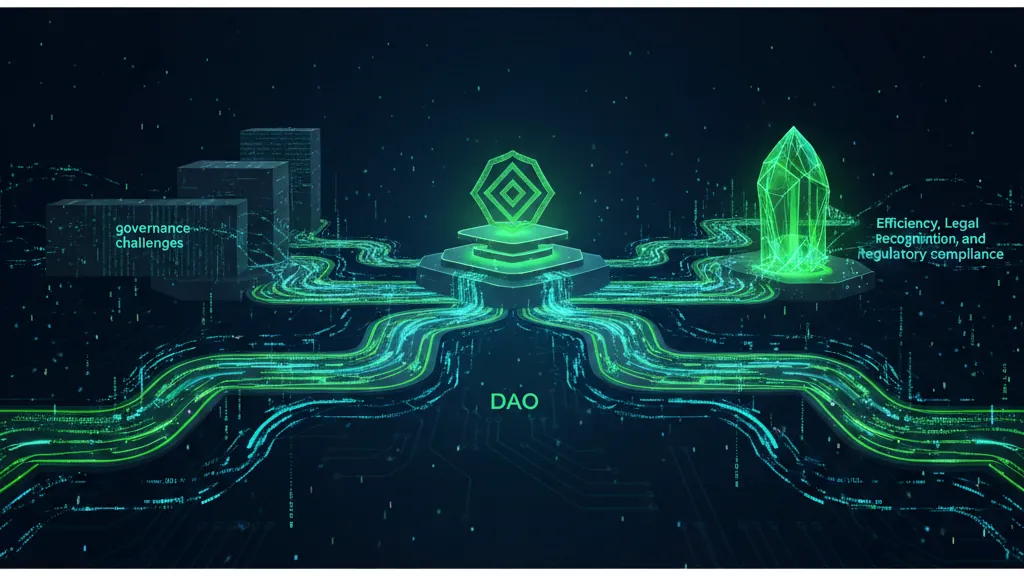
Airdrops, token distributions, and on-chain voting all assume a one-person-one-vote model. But as generative AI produces convincing synthetic identities at scale, that assumption collapses. A bad actor can now spin up thousands of fake personas, each eligible to claim an airdrop or cast votes in a DAO, without running expensive Sybil-detection software after the fact. Proof of personhood attempts to verify uniqueness and humanity at the point of entry rather than retroactively, reducing incentives to create duplicate accounts in the first place.
How Leading Approaches Work
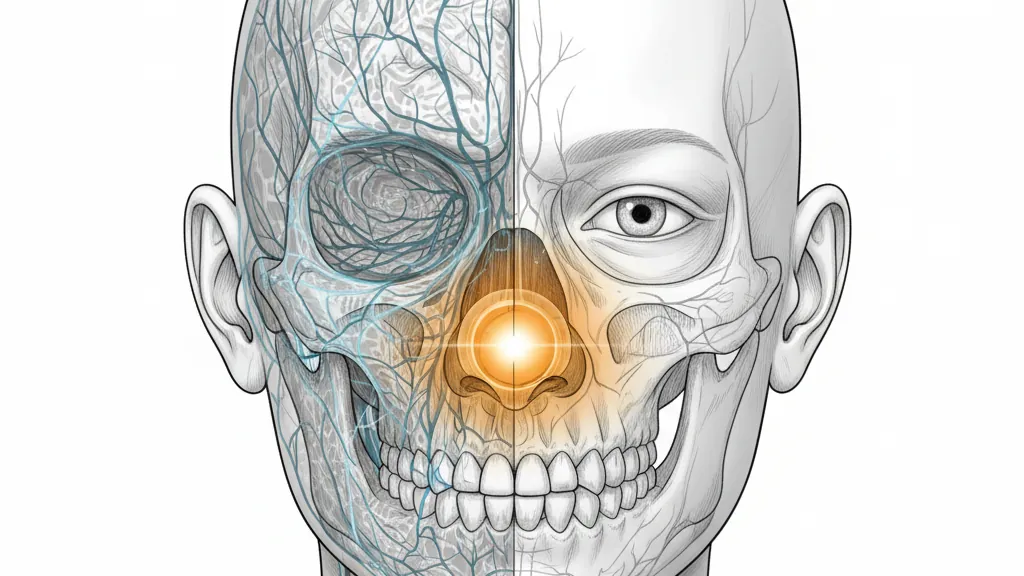
Current implementations fall into a few categories. Biometric systems (often called "liveness checks") require users to submit a photo or video of their face, then verify it against government-issued ID or cross-reference it against known synthetic media. Privacy-preserving variants use zero-knowledge proofs so users can prove they passed the check without revealing their identity to the protocol. Other projects use social graphs—verifying that a user has been vouched for by existing verified humans, creating a web-of-trust model. Still others combine on-chain attestation with in-person verification events, where participants gather to prove their humanity to one another.
Trade-offs and Open Questions
No approach is perfect. Biometric checks raise privacy concerns and can exclude users without government ID or reliable internet. Social-graph systems create cold-start problems and concentrate gatekeeping power in early members. In-person verification is costly and geographically limited. The field remains experimental, with no dominant standard yet, and each solution sacrifices some degree of privacy, accessibility, or scalability.
Why It Matters
For Traders
Proof-of-personhood systems reduce Sybil attack risk in token distributions, potentially improving fair-launch mechanics and reducing post-airdrop dumping from bot accounts.
For Investors
Infrastructure that reliably verifies personhood could unlock larger-scale, lower-friction decentralized governance and fairer token incentive mechanisms across the sector.
For Builders
Projects shipping token economics or DAO governance must now choose among competing proof-of-personhood standards; early standardization around one approach could lock in advantage.
This article is for information only and is not financial advice. Read the full disclaimer.