Rain Seeks US Trust Bank Charter to Issue Stablecoins Directly
Rain, a stablecoin payments company, has applied for a national trust bank charter to custody digital assets, manage reserves, and issue dollar-backed tokens without relying on third-party banks. The proposed New York subsidiary would hold client assets but would not accept deposits or make commercial loans.
Written by CoinArticle’s AI Newsroom · from 2 cited sources. How we work
Application for Direct Stablecoin Authority
Rain is seeking a US national trust bank charter to bring stablecoin issuance and custody in-house, according to filings reviewed by The Defiant and CoinDesk. The proposed subsidiary would custody both digital assets and US dollars, manage stablecoin reserves, and handle the issuance and redemption of dollar-backed tokens. By obtaining a charter, Rain would bypass the need to rely on third-party banks for these operations—a structural constraint that has affected many stablecoin issuers.
Scope of the Charter
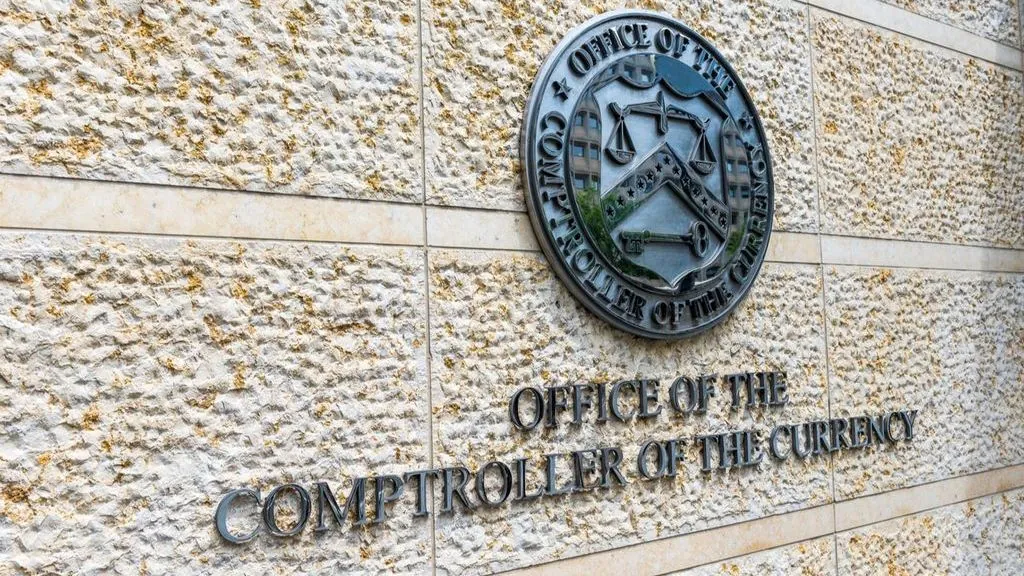
The proposed trust bank would not accept customer deposits or make commercial loans, narrowing its footprint to asset custody and stablecoin mechanics. Rain has not disclosed a timeline for the charter decision or named the specific regulator handling the application, though trust bank charters are typically granted at the state level or federally through the Office of the Comptroller of the Currency (OCC).
Why It Matters
For Traders
If approved, Rain's charter could reduce operational friction for its stablecoin redemption flow and potentially improve liquidity mechanics for traders holding Rain-issued tokens.
For Investors
A successful charter application signals a viable regulatory pathway for stablecoin issuers to capture custody and issuance functions directly, reducing reliance on traditional banking infrastructure.
For Builders
Approved trust charters for stablecoin operators could establish a template for decentralized finance protocols seeking to layer regulated custody and reserve management on top of blockchain infrastructure.
This article is for information only and is not financial advice. Read the full disclaimer.