Real Madrid Contract Talks Show Fan Tokens Failing to Drive Football Economics
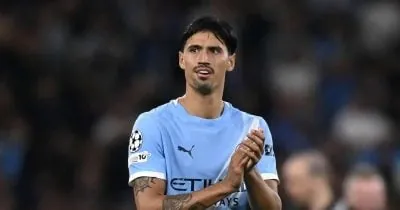
Real Madrid and forward Vinícius Júnior are negotiating a contract extension, underscoring how elite football club finances remain decoupled from fan token ecosystems. Despite years of promotion, fan tokens have not meaningfully influenced player wages or club spending decisions.
Written by CoinArticle’s AI Newsroom · from 1 cited source. How we work
The Contract Negotiation and Fan Token Reality
Real Madrid and Vinícius Júnior are scheduled to discuss a contract extension Monday. The talks come at a time when fan token projects, which have collectively raised hundreds of millions of dollars, have failed to generate revenue streams or decision-making power that would materially affect elite player compensation or transfer spending.
Fan tokens, issued by clubs including Real Madrid, were marketed as vehicles for supporter engagement and monetization. Yet major contract negotiations, sponsorship deals, and investment decisions at top clubs continue to proceed through traditional banking channels, commercial partnerships, and sovereign wealth funds rather than fan token holders.
Structural Disconnect
The Vinícius situation illustrates a broader disconnect: fan tokens typically grant voting rights on non-material club decisions such as kit colors, mascot names, or stadium lounge naming rights. They do not grant holders equity stakes, revenue share, or influence over player signings or wage structures. Those decisions remain the sole domain of club ownership and management.
Real Madrid, one of the earliest clubs to issue a fan token in 2020, continues to operate its commercial and sporting functions through traditional hierarchies. The club's ability to offer Vinícius competitive wages depends on UEFA compliance rules, sponsorship revenue, and broadcast income—none of which flow through the fan token contract.
Why It Matters
For Traders
Fan token valuations have largely stalled as the use case—non-binding club governance—fails to generate revenue or influence outcomes; tokens tied to elite clubs may face further downward pressure.
For Investors
The persistent structural gap between fan token promises and actual utility suggests the category will not become a material revenue driver for professional sports clubs.
For Builders
Projects attempting to monetize sports fandom through tokens should reconsider whether voting on peripheral decisions alone sustains user engagement and token liquidity long-term.
This article is for information only and is not financial advice. Read the full disclaimer.