Red Sea Shipping Disruption May Pressure Crypto Logistics and Cross-Border Settlement
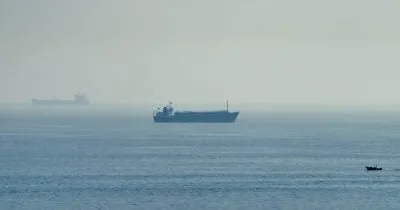
A cargo vessel was attacked near Hodeidah in the Red Sea, prompting the UK Maritime Trade Operations to issue a caution advisory for the Bab el-Mandeb Strait. Heightened maritime security risks in a major global shipping lane could increase transport costs and insurance premiums, affecting crypto-related supply chains and cross-border settlement infrastructure.
Written by CoinArticle’s AI Newsroom · from 1 cited source. How we work
Maritime Security Alert
The UK Maritime Trade Operations issued a caution advisory Wednesday after a cargo vessel was attacked near Hodeidah in Yemen. The incident occurred in the Bab el-Mandeb Strait, a critical chokepoint connecting the Red Sea to the Indian Ocean through which roughly 12% of global maritime trade flows. The UKMTO advisory warns of heightened security risks in the corridor, though the specific vessel's condition and attacker remain unclear from available reports.
Implications for Shipping and Trade Finance
Disruptions to the Bab el-Mandeb Strait typically raise insurance premiums and transport costs for goods moving between Europe and Asia. These cost increases cascade through supply chains, affecting the logistics of physical crypto infrastructure—mining hardware shipments, exchange server components, and hardware wallet production. Cross-border settlement routes that rely on containerized goods or time-sensitive freight could see delays or higher carrying costs, indirectly raising operational expenses for global crypto platforms and OTC desks that depend on reliable physical logistics.
Market Context
Red Sea security incidents have recurred periodically over the past 18 months, each time temporarily widening shipping costs. If attacks persist or escalate, shippers may reroute via the Cape of Good Hope, adding 10-14 days to transit times and 20-30% to voyage costs. For sectors heavily dependent on just-in-time supply chains—such as crypto hardware producers and data-center operators—sustained disruptions could push procurement timelines or force inventory build-ups.
Why It Matters
For Traders
Increased shipping costs and delays may raise operational expenses for exchanges and OTC platforms, potentially widening spreads on cross-border settlement corridors over the next 2-4 weeks.
For Investors
Persistent Red Sea disruptions inflate physical supply-chain costs for mining hardware and data-center infrastructure, which could compress margins for publicly listed crypto operators.
For Builders
Infrastructure teams shipping physical servers, hardware wallets, or mining equipment should expect longer lead times and higher freight premiums if the security situation persists.
This article is for information only and is not financial advice. Read the full disclaimer.