Ripple Wins OCC Approval to Launch U.S. National Trust Bank
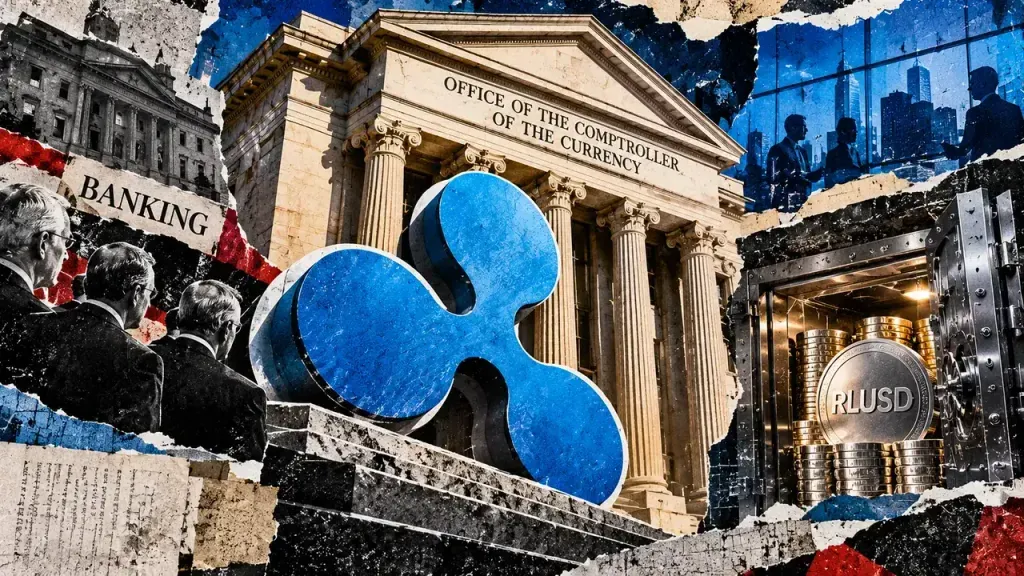
The Office of the Comptroller of the Currency approved Ripple National Trust Bank on October 26, clearing the way for Ripple to operate a federally regulated bank. The approval allows Ripple to manage reserves for its RLUSD stablecoin and offer banking services despite objections from traditional banking groups.
Written by CoinArticle’s AI Newsroom · from 2 cited sources. How we work
OCC Grants Final Approval
The Office of the Comptroller of the Currency approved Ripple National Trust Bank on October 26, according to an announcement by Ripple CEO Brad Garlinghouse on X. The approval grants Ripple authority to operate as a national trust bank under federal regulation, marking the first such charter granted to a major cryptocurrency company.
Stated Purpose and Opposition
Ripple said the bank will manage reserves backing its RLUSD stablecoin and provide banking services to cryptocurrency-related businesses. The approval came despite objections filed by traditional banking groups concerned about cryptocurrency firms gaining access to the regulated banking system. The company did not detail which banking organizations filed objections or the specific arguments they raised.
Regulatory Significance
The charter places Ripple squarely within the U.S. financial regulatory framework, subjecting it to OCC oversight and federal banking requirements. It represents a rare win for a crypto-native firm seeking legitimacy through traditional banking infrastructure rather than working solely within decentralized finance or offshore jurisdictions.
Why It Matters
For Traders
XRP may see intraday volatility as the market prices in reduced regulatory risk for Ripple's business lines; RLUSD liquidity and adoption could accelerate.
For Investors
A federal trust charter validates Ripple's business model and reduces existential regulatory risk, though it expands compliance costs and operational constraints.
For Builders
The OCC precedent signals a path for crypto firms to gain banking infrastructure legitimacy; other stablecoin issuers and crypto financial services may follow.
This article is for information only and is not financial advice. Read the full disclaimer.