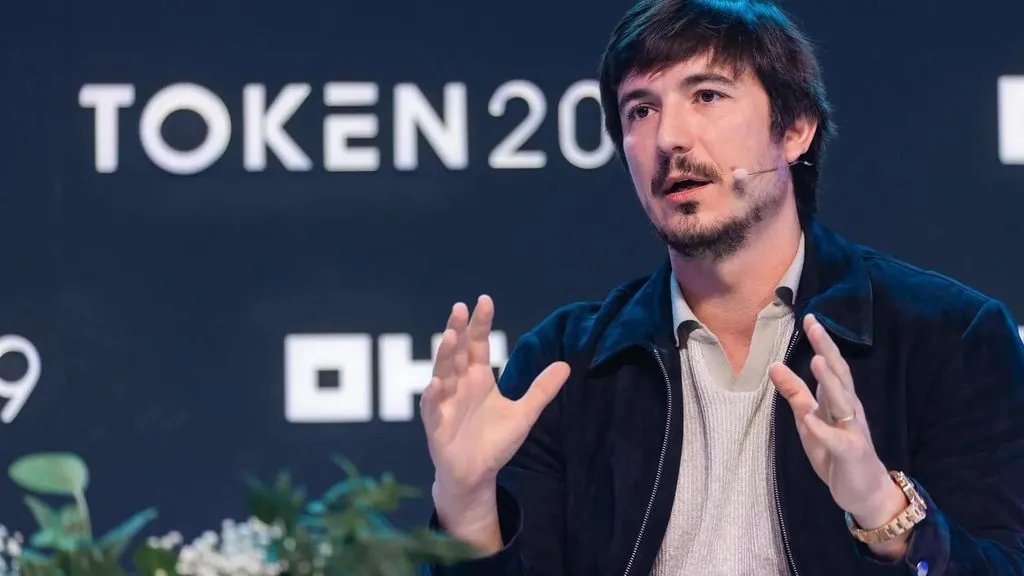
Robinhood CEO Vlad Tenev's X Account Hacked to Promote Fake Token
Hackers compromised Vlad Tenev's X account to promote a token called Vladhood falsely tied to Robinhood Chain. The post was deleted, but the incident exposes persistent social-engineering vulnerabilities exploited by scammers to pump low-liquidity memecoins.
Written by CoinArticle’s AI Newsroom · from 3 cited sources. How we work
Story Updates
- Updated Aug 24, 2026, 12:04 PM: Token identified as Vladhood tied to Robinhood Chain; scam vector now explicit.
How the Breach Unfolded
Robinhood CEO Vlad Tenev's X account was compromised to post promotional content for a token named Vladhood, touted as the mascot of Robinhood Chain, according to CoinDesk and Decrypt. The post falsely claimed a connection between the token and Robinhood's operations, designed to drive retail purchases before the fraudulent announcement could be disputed. Tenev's team deleted the post once the breach was detected, but the damage—in terms of reputational risk and the number of users who may have acted on the false claim—had already occurred.
Why Trusted Accounts Remain Targets
The hack illustrates a structural vulnerability in the cryptocurrency ecosystem: scammers continue to exploit high-profile accounts because a single falsely attributed statement from a recognizable founder or executive can move markets and trigger impulsive buying. Robinhood Chain, currently dominated by memecoin activity, became the vector for the scam. The attacker paired a well-known name with a plausible product claim to create urgency and legitimacy. The breach also highlights that even companies with substantial security budgets remain vulnerable to account compromise—likely through credential stuffing, phishing, or social engineering rather than direct protocol flaws.
The Broader Risk to Retail Trust
This incident echoes a pattern: high-profile social accounts compromised to shill tokens with no underlying utility or connection to the platform or person being impersonated. For Robinhood specifically, the attack exploits the company's gravity in mainstream retail trading to lend false credibility to an unregistered token. Each such breach erodes confidence in announcements made over social media and raises questions about whether institutional adoption of crypto can advance when simple account takeovers remain an effective fraud vector.
Why It Matters
For Traders
Verify any Robinhood listing announcements directly on official channels; compromised social posts can pump tokens before rug-pulls or delisting.
For Investors
Recurring social-engineering exploits of mainstream brand accounts signal adoption remains hindered by basic credibility and security gaps.
For Builders
Integrate multi-signature or hardware-key authentication for executive social accounts; the current human-centered attack surface remains a liability for protocol credibility.
This article is for information only and is not financial advice. Read the full disclaimer.