Russia Signs First Comprehensive Crypto Law; Trading Legal, Payments Banned
Russia enacted its first comprehensive cryptocurrency regulation, legalizing licensed crypto trading under central bank oversight while maintaining a ban on using digital assets for everyday payments. The law creates a supervised market framework for exchanges but does not permit crypto to function as a medium of exchange.
Written by CoinArticle’s AI Newsroom · from 2 cited sources. How we work
Trading Framework Established
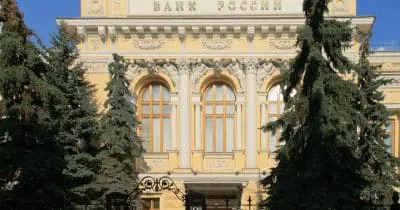
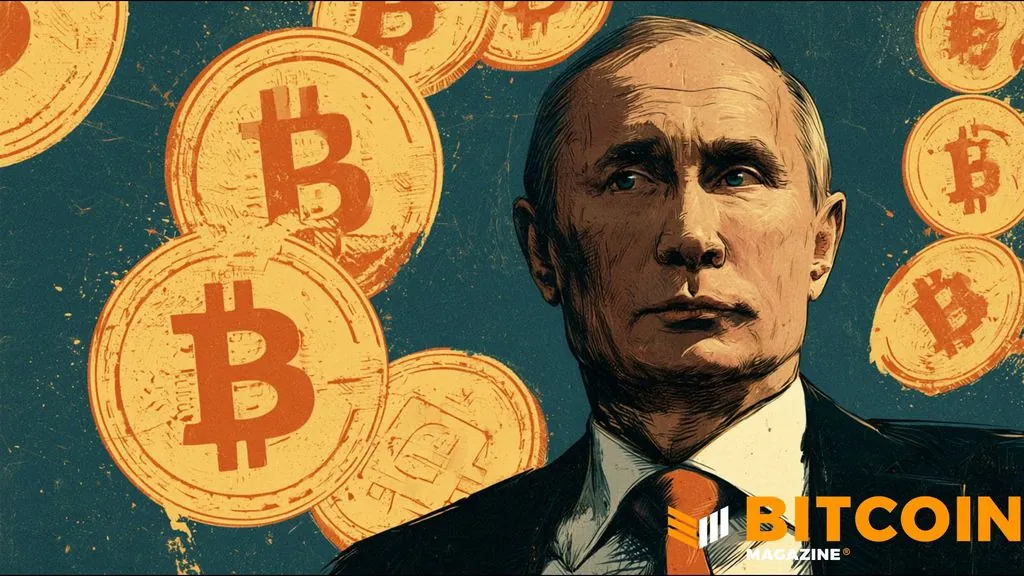
Russia's new law, signed by President Vladimir Putin, establishes a licensed market for cryptocurrency trading overseen by the central bank. Exchanges operating in the country must now comply with regulatory standards set by Russian financial authorities. The framework effectively legalizes the trading activity itself — a significant shift from prior legal ambiguity — while designating the central bank as the primary regulator of digital asset platforms.
Payment Use Remains Prohibited
Despite legalizing trading, the law maintains Russia's existing prohibition on using cryptocurrency as payment for goods and services. Citizens cannot use Bitcoin or other digital assets to purchase everyday items, including coffee, despite the new trading permissions. The distinction between permitting trading activity and barring payment use reflects a narrower regulatory approach than some other jurisdictions have adopted.
Strategic Positioning
The law signals Russia's intent to bring its cryptocurrency market into formal regulatory structure rather than operating in a gray zone. By licensing exchanges and requiring central bank supervision, Russian authorities gain visibility into trading volumes and participant identities. The framework stops short of enabling crypto adoption as a functional currency alternative, preserving the ruble's exclusive role in payments.
Why It Matters
For Traders
Licensed Russian exchanges will now operate under formal supervision, potentially reducing counterparty risk for traders based in or transacting with Russian platforms.
For Investors
Regulatory clarity in a major economy reduces legal overhang for Russian crypto activity but also signals state control over market infrastructure, affecting capital flow dynamics.
For Builders
Developers seeking to serve Russian users face defined rules for trading platforms but continued constraints on payment infrastructure; stablecoin projects cannot market crypto-as-payment in the region.
This article is for information only and is not financial advice. Read the full disclaimer.