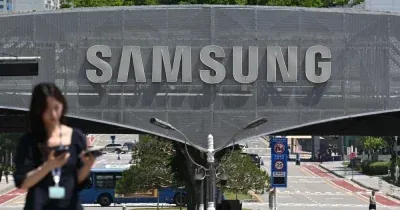
Samsung Union Approves Compensation Deal, Averting Chip Plant Strike
Samsung's labor union ratified a compensation agreement Tuesday, averting a threatened strike at the company's semiconductor facilities. The deal includes profit-sharing provisions and is expected to stabilize the workforce amid ongoing chip industry competition.
Written by CoinArticle’s AI Newsroom · from 1 cited source. How we work
Strike Averted Through Compensation Package
Samsung's primary union approved a new compensation agreement, removing the immediate threat of a work stoppage at the company's chip manufacturing plants. The deal includes profit-sharing mechanisms tied to company performance, according to reporting on the agreement. Terms were not fully disclosed in initial announcements, but the union indicated the package addresses wage and benefit concerns that had prompted strike authorization votes in prior weeks.
Workforce Stability and Financial Risk Mitigation
The agreement is expected to reduce labor turnover and operational disruption risk for Samsung's semiconductor division, which supplies memory chips to major technology companies globally. Semiconductor manufacturing is capital-intensive and highly time-sensitive; extended work stoppages can disrupt production schedules and customer relationships. By resolving labor negotiations before a strike commenced, Samsung avoided potential supply chain complications during a period of fluctuating chip demand.
Competitive Positioning in Chip Market
The profit-sharing structure signals Samsung's strategy to retain technical talent and maintain productivity in a sector where skilled workforce availability is a key competitive lever. Semiconductor fabs operate continuously and require experienced workers for complex fabrication processes. Other major chipmakers, including TSMC and Intel, have faced their own labor negotiations in recent years as the industry competes for specialized manufacturing expertise.
Why It Matters
For Traders
Samsung semiconductor supply stability reduces near-term risk of production disruptions that could affect memory chip spot pricing or inventory dynamics.
For Investors
Labor peace at a major chip foundry signals lower operational risk, though the deal's cost structure and long-term margin impact remain unclear from available disclosures.
For Builders
Stable chip supply from Samsung supports consistent component availability for hardware projects and Layer 1 mining operations that rely on semiconductor sourcing.
This article is for information only and is not financial advice. Read the full disclaimer.