SEAL Warns of Daily Fake Zoom Attacks Attributed to DPRK Hackers
Security firm SEAL disclosed a daily phishing campaign using fake Zoom updates to target cryptocurrency holders and cloud accounts. The attacks, attributed to North Korean threat actors, have compromised user credentials and cryptocurrency funds.
Written by CoinArticle’s AI Newsroom · from 2 cited sources. How we work
The Attack Method
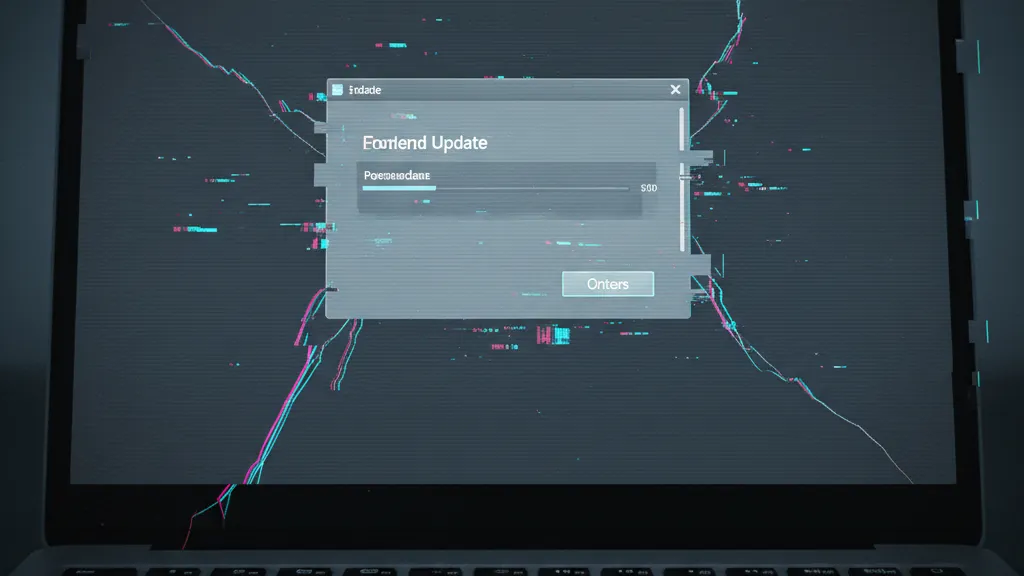
Security firm SEAL reported that threat actors are conducting daily phishing campaigns using fraudulent Zoom application updates. Victims who install the fake updates unknowingly grant attackers access to their systems, which are then used to steal cryptocurrency funds, cloud service credentials, and compromised Telegram accounts.
The campaign exploits user familiarity with legitimate software updates as a social engineering vector. By impersonating a trusted application, the fake installers bypass standard security awareness and lower victims' guard against installation prompts.
Attribution and Scope
SEAL attributed the attacks to North Korean-affiliated threat actors, though the firm did not specify the operational cadence or geographic targets of the campaign. The daily frequency of attacks suggests sustained operational capability and a broad targeting strategy rather than isolated incidents.
The compromise of cloud credentials alongside cryptocurrency holdings indicates attackers are pursuing both immediate financial gain and persistent access to victims' digital infrastructure. Telegram account seizures suggest the attackers are also targeting social and communication channels, potentially for further social engineering or financial fraud.
Why It Matters
For Traders
Verify your Zoom installation source directly from zoom.us and enable hardware-level security features; compromised cloud credentials could expose exchange API keys.
For Investors
Ongoing nation-state targeting of crypto holders raises insurance and custody costs; security incidents of this scale may accelerate institutional demand for offline cold storage.
For Builders
Credential compromise via fake app updates is a vector for stealing API keys and private keys from developers; implement air-gapped build and deployment systems.
This article is for information only and is not financial advice. Read the full disclaimer.