SEC's Peirce Sees Clarity Act Passing This Summer Amid Regulatory Push
SEC Commissioner Hester Peirce said the Clarity Act is likely to pass this summer as the Trump administration pushes to establish clearer U.S. crypto rules. Senate scheduling remains uncertain, with a September 15 vote planned but not guaranteed to occur.
Written by CoinArticle’s AI Newsroom · from 2 cited sources. How we work
Regulatory Momentum and the Clarity Act
SEC Commissioner Hester Peirce said the Clarity Act is likely to pass this summer, signaling regulatory momentum for clearer crypto rules in the U.S. SEC Commissioner Paul Atkins affirmed the Trump administration's stated goal of making America the global crypto hub. Both officials framed the movement toward defined rules as a step toward freer capital markets, though neither provided a specific legislative timeline or vote count.
Senate Scheduling Uncertainty
A September 15 Senate vote on the Clarity Act has been scheduled but is not guaranteed to occur, according to CoinDesk reporting. The timing and format of any vote remain fluid; the bill could be delayed, repackaged into other legislation, or face shifting priorities as the chamber returns from recess. The discrepancy between Peirce's near-term forecast and the conditional Senate schedule reflects ongoing uncertainty over whether the bill will reach the floor as currently drafted.
What the Act Would Do
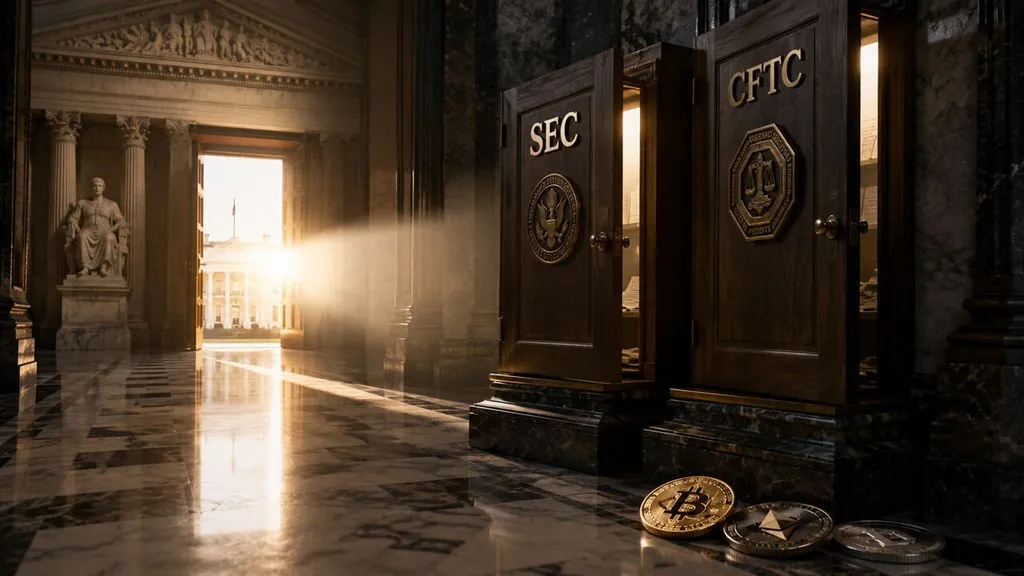
The Clarity Act seeks to define which digital assets qualify as securities or commodities under existing U.S. law, a distinction the industry has sought for years. By establishing clear classification rules, the bill is intended to reduce regulatory ambiguity for exchanges, custodians, and token issuers. However, no finalised text has been released to the public, and sponsor positions on key definitions remain in flux.
Why It Matters
For Traders
Passing the Clarity Act would reduce regulatory risk for major tokens and exchanges, but September timing is uncertain and could shift spot trading dynamics.
For Investors
A statutory framework for asset classification could stabilize long-term regulatory risk for holdings and boost institutional adoption, but passage is not yet assured.
For Builders
Clearer classification rules would reduce legal uncertainty for protocol developers and infrastructure teams, though the final bill text remains unavailable.
This article is for information only and is not financial advice. Read the full disclaimer.