Senate Sets Mid-September Vote on Clarity Act, Crypto's Key Regulatory Bill
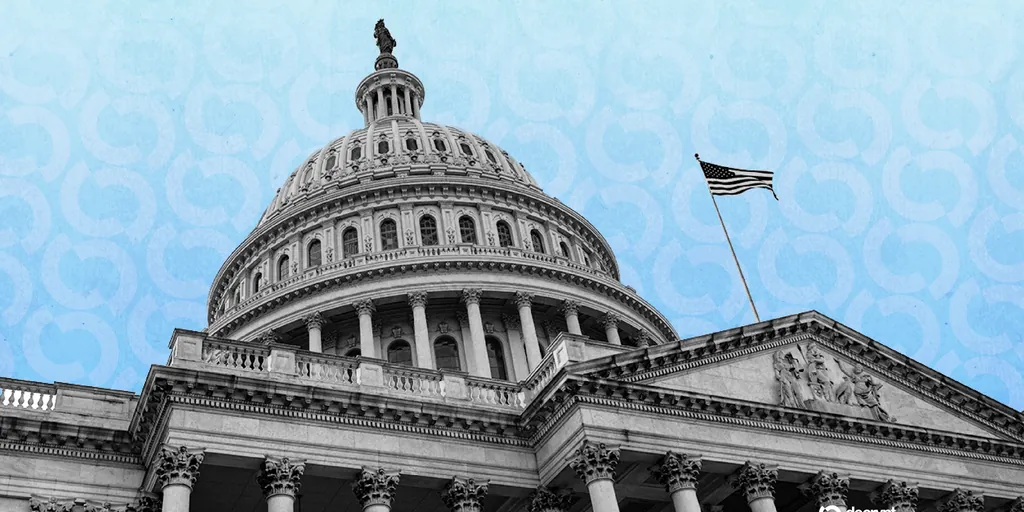
Senate Majority Leader John Thune filed a motion to proceed on the Clarity Act early Saturday, scheduling a floor vote for September 15. The bill seeks to establish federal regulatory clarity around cryptocurrency classification and exchange standards.
Written by CoinArticle’s AI Newsroom · from 2 cited sources. How we work
Story Updates
- Updated Aug 23, 2026, 01:05 AM: Senate floor vote confirmed for September 15, per Crypto Briefing reporting.
Motion Filed to Advance Clarity Act
Senate Majority Leader John Thune filed the motion to proceed early Saturday, paving the way for a full floor vote on the Clarity Act scheduled for September 15. The filing moves the bill past procedural obstacles and signals leadership commitment to bringing it to a vote before the legislative calendar becomes congested with end-of-year measures.
Why the Timeline Matters
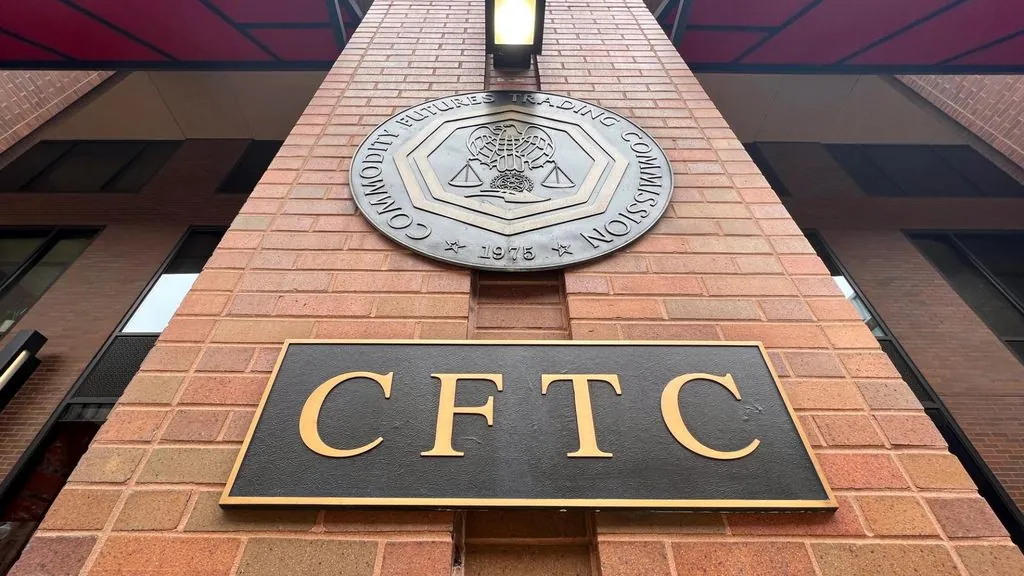
A mid-September vote places the bill in a narrow window before Congress typically shifts focus to appropriations and other year-end business. The Clarity Act has drawn support from both Republican and Democratic members as an attempt to resolve longstanding gaps in crypto regulatory authority between the SEC and CFTC. If it clears the Senate floor, the bill would still require House passage and presidential signature to become law.
What the Bill Proposes
The Clarity Act aims to define which digital assets fall under securities law versus commodities regulation, a distinction that has been the subject of ongoing regulatory debate. The legislation also establishes standards for crypto exchanges and custodians, addressing a core concern of institutional investors and compliance-focused companies.
Why It Matters
For Traders
Senate floor passage on a fixed date reduces near-term regulatory uncertainty around token classification, though outcome remains unconfirmed.
For Investors
A clear federal framework for crypto asset classification would lower legal risk for institutions deploying capital into digital assets and exchanges.
For Builders
Regulatory certainty on exchange licensing and token standards would allow protocol teams and infrastructure companies to plan compliance roadmaps with greater confidence.
This article is for information only and is not financial advice. Read the full disclaimer.