Senate Schedules CLARITY Act Vote for September 15 Amid Consumer Protection Disputes
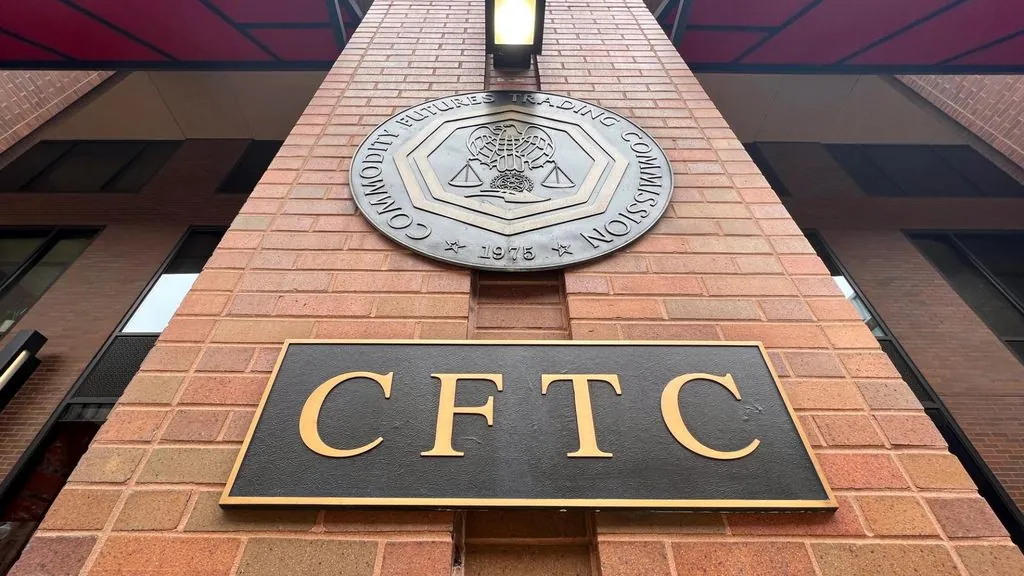
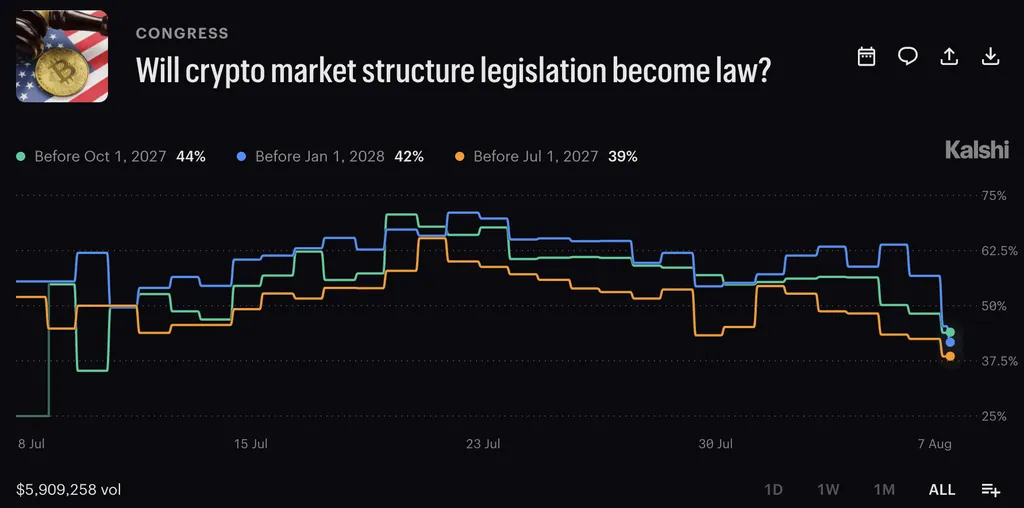
The Senate confirmed a September 15 floor vote on the CLARITY Act at 2 p.m. Eastern Time, after Senator Cynthia Lummis announced the specific date. The CFTC signaled it could unilaterally regulate certain digital assets if Congress fails to act, though the scheduled cloture vote faces uncertainty over a 60-vote threshold.
Written by CoinArticle’s AI Newsroom · from 3 cited sources. How we work
Story Updates
- Updated Aug 22, 2026, 06:08 PM: CFTC signals it can independently regulate digital assets if Congress fails to act on CLARITY.
- Updated Aug 20, 2026, 12:02 PM: Senate confirmed September 15 at 2 p.m. ET as the specific floor vote date for the CLARITY Act.
Vote Confirmed for September 15
Senator Cynthia Lummis confirmed Monday that the US Senate will vote on the CLARITY Act on September 15 at 2 p.m. Eastern Time. The announcement pins down a previously announced September calendar slot to a specific date and time, marking one of the most concrete steps toward a floor vote on comprehensive federal crypto legislation in months. The scheduled vote will first face a cloture motion requiring 60 votes to advance, a threshold that remains uncertain given ongoing policy disagreements.
CFTC Signals Regulatory Fallback
The Commodity Futures Trading Commission indicated it could independently regulate digital assets under existing authority if Congress does not pass new legislation, according to CryptoSlate reporting. The CFTC's existing powers stop short of the comprehensive framework that the CLARITY Act would establish, but signal the agency views itself as capable of acting unilaterally on jurisdiction questions. That regulatory fallback may reduce pressure on senators to resolve disagreements before September 15, though it also underscores the stakes of legislative failure.
Outstanding Disputes Remain
Several substantive disagreements persist between senators and stakeholders. Key contested issues include the scope of consumer protection requirements for retail users, limitations on stablecoin interest-bearing products, and the division of regulatory authority between the SEC and CFTC over different asset classes. These gaps have prevented the bill from reaching consensus, and it remains unclear whether they will be resolved before the floor vote.
Why It Matters
For Traders
A failed 60-vote cloture test on September 15 could trigger volatility as regulatory ambiguity persists; a CFTC-only framework would differ materially from CLARITY's scope.
For Investors
CFTC regulatory fallback signals enforcement action could proceed without legislation, reducing but not eliminating downside risk from eventual federal framework passage.
For Builders
Protocol teams face dual-path regulation risk: either CLARITY passes with new constraints or CFTC acts unilaterally under existing authority, both narrowing the status quo.
This article is for information only and is not financial advice. Read the full disclaimer.