Senate Delays CLARITY Act Vote Until September, Democrats Push for Stronger Safeguards
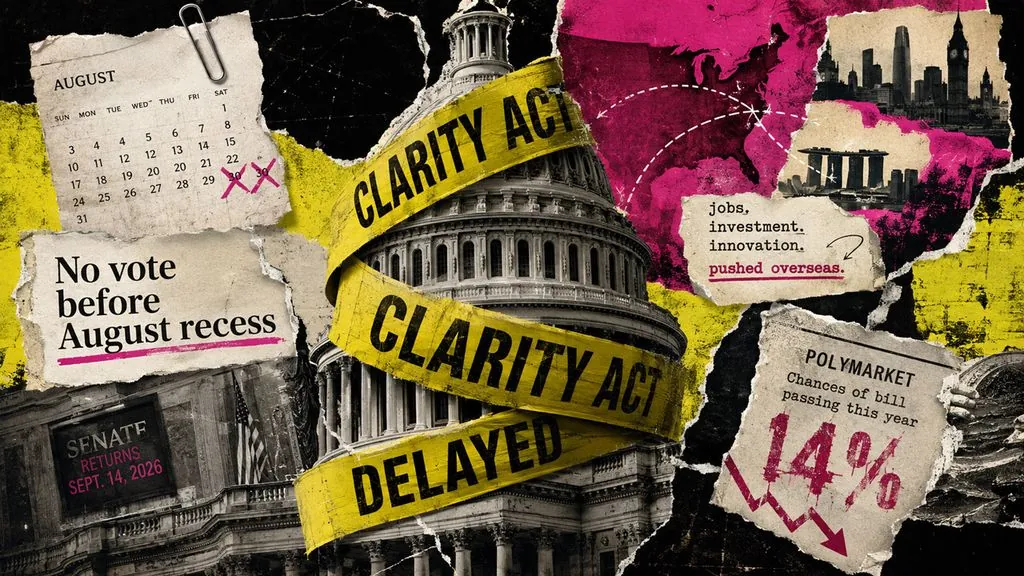
Senate leaders postponed the CLARITY Act vote to September 14 or later as Democrats push for stronger ethics, enforcement, and market safeguard provisions. The delay further narrows the legislative window before midterm election season typically halts substantive floor action.
Written by CoinArticle’s AI Newsroom · from 2 cited sources. How we work
Story Updates
- Updated Aug 15, 2026, 12:03 AM: Democrats seeking stronger market safeguards and enforcement provisions as reason for delay; vote window now nine to 14 working days maximum.
Vote Postponed as Democrats Seek Stronger Provisions
Senate Majority Leader John Thune announced August 6 that the CLARITY Act will not advance to a floor vote before lawmakers leave Washington for their August recess. The postponement to September 14 or later comes as Senate Democrats seek to incorporate stronger ethics, enforcement, and market safeguard language into the bill before it reaches the floor.
Compressed Timeline Before Election Season
The delay further compresses the legislative calendar. Lawmakers typically reduce floor activity in late September and October as midterm campaigning intensifies, leaving approximately 14 working days between early September and when substantive votes become difficult to pass. Thune had previously indicated the Senate would prioritize the bill before the recess, making the postponement a setback for the legislation's near-term momentum.
What CLARITY Act Addresses
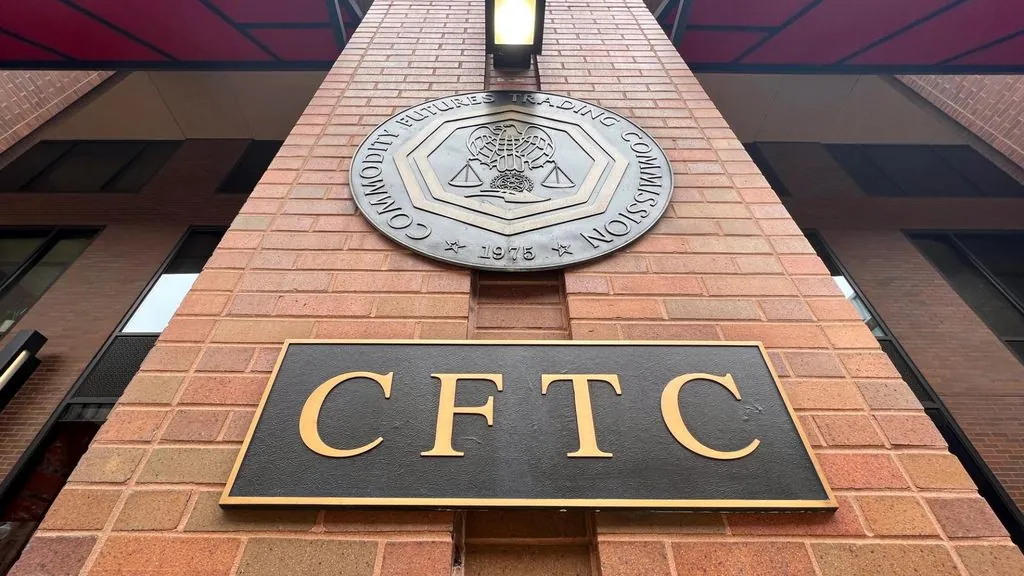
The CLARITY Act is intended to clarify regulatory authority over digital assets between the Securities and Exchange Commission and the Commodity Futures Trading Commission. The bill has garnered bipartisan support but now faces a Democratic amendment effort focused on investor protections before floor consideration. Competition for floor time on appropriations, judicial confirmations, and other election-year priorities adds uncertainty to whether a vote will occur at all this cycle.
Why It Matters
For Traders
Regulatory clarity remains distant; classification uncertainty around derivatives and spot trading continues to create volatility headwinds through Q3.
For Investors
Democratic amendments may tighten spot-trading or custody rules if passed; institutional entry remains contingent on final bill language.
For Builders
Compliance roadmaps cannot solidify; added provisions on enforcement or market safeguards could impose unexpected operational or reserve requirements.
This article is for information only and is not financial advice. Read the full disclaimer.