Senate Democrats Block Cloture Vote on Clarity Act Over Stalled Crypto Talks
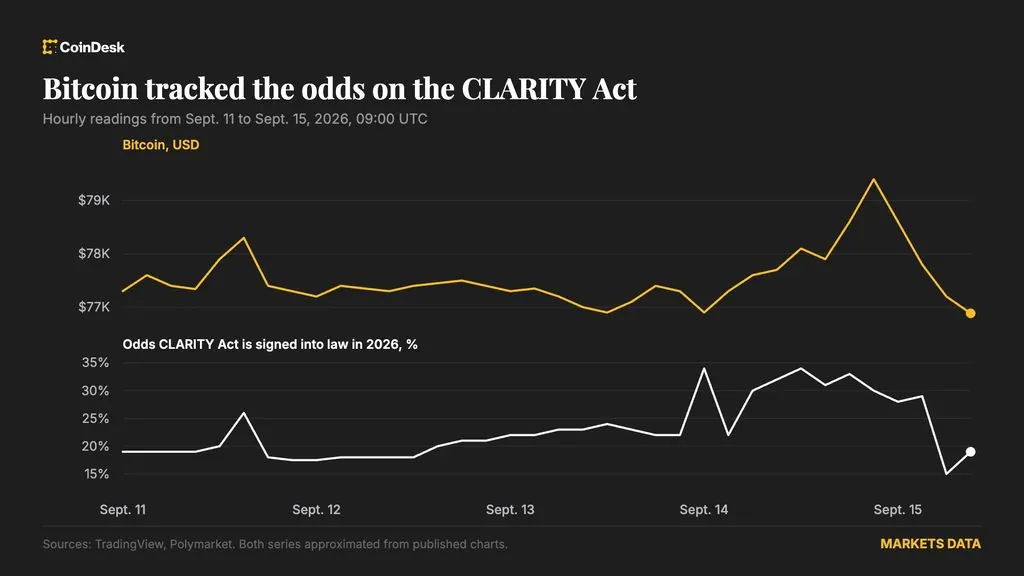
Senate Democrats said they will block a cloture motion on the Financial Innovation and Crypto (Clarity) Act, citing unresolved disagreements in cross-party negotiations on crypto regulation. The move delays a floor vote on the bill and signals continued partisan gridlock over how to establish federal crypto rules.
Written by CoinArticle’s AI Newsroom · from 1 cited source. How we work
Cloture Block Delays Floor Vote
Senate Democrats announced they will oppose a cloture vote on the Clarity Act, according to statements to Crypto Briefing. The move prevents the Senate from advancing to a final vote on the bill, which has been a focal point of bipartisan efforts to establish clearer regulatory authority over digital assets and stablecoins.
Unresolved Disagreements Over Scope
The Democrats cited stalled negotiations as the reason for the block, though neither party has publicly detailed which specific provisions remain contested. Previous versions of the bill have touched on stablecoin issuance limits, custodial standards, and the division of regulatory authority between the SEC and CFTC—areas where Democrats and Republicans have historically held different positions.
Broader Regulatory Timeline Impact
The delay compounds uncertainty for crypto firms and market participants seeking federal clarity before year-end. Without Senate passage, the industry remains subject to a patchwork of state regulations and agency guidance, while the House has its own competing proposals on the table.
Why It Matters
For Traders
Regulatory uncertainty typically increases volatility around major Bitcoin and Ethereum spot positions; a delayed Clarity Act keeps the near-term macro backdrop cloudy.
For Investors
Continued legislative gridlock signals federal crypto regulation will not arrive in 2024; projects should plan for ongoing state-level enforcement and SEC/CFTC rulemaking.
For Builders
Delayed federal clarity extends the period in which protocol teams must navigate ambiguous securities-law and banking-law treatment for yield-bearing tokens and custodial infrastructure.
This article is for information only and is not financial advice. Read the full disclaimer.