South Korea to Meet Five Exchanges Over Proposed Crypto Tax Delay
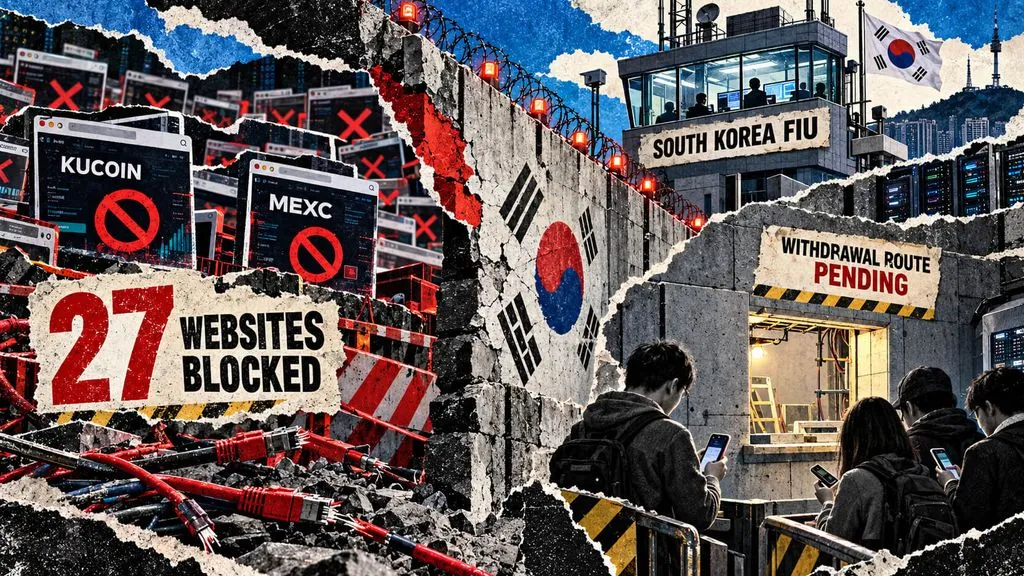
South Korean officials will meet with five crypto exchanges on October 20 as lawmakers propose delaying the country's planned 22% cryptocurrency income tax from 2027 to 2029. The potential two-year postponement could ease short-term regulatory pressure on the sector.
Written by CoinArticle’s AI Newsroom · from 2 cited sources. How we work
Scheduled Meeting and Tax Proposal
South Korean government officials are set to meet with five crypto exchanges on October 20, according to reporting from Crypto.news. The meeting comes as lawmakers in the country propose delaying the implementation of a 22% cryptocurrency income tax, originally scheduled to take effect in 2027, to 2029 instead.
Why Exchanges Are Pushing Back
The two-year delay would give the crypto industry more runway before facing the new tax regime. Exchanges and industry participants have called for the postponement, citing concerns about the tax's impact on domestic market competitiveness and trading volumes. The exact reasoning behind the proposed two-year extension—whether tied to implementation challenges, market concerns, or other policy considerations—was not detailed in the available reporting.
Market and Regulatory Implications
According to Crypto Briefing, the potential tax delay may provide near-term support to market confidence and influence how the sector is perceived by regulators. However, the outcome of the October 20 meeting remains uncertain, and no formal decision has been announced. If approved, the delay would give both exchanges and retail investors additional time to adjust business models and tax strategies before the 22% rate takes effect.
Why It Matters
For Traders
A confirmed two-year tax delay could reduce regulatory overhang on South Korean won-denominated pairs and spot trading volumes over the next 24-72 hours.
For Investors
Postponement signals the government is willing to negotiate timeline, but the eventual 22% rate remains; longer-term clarity on tax treatment affects institutional adoption in the region.
For Builders
Any delay in tax implementation may reduce immediate pressure on South Korean protocol teams and exchanges to migrate infrastructure, but final guidance from the meeting could reshape compliance roadmaps.
This article is for information only and is not financial advice. Read the full disclaimer.